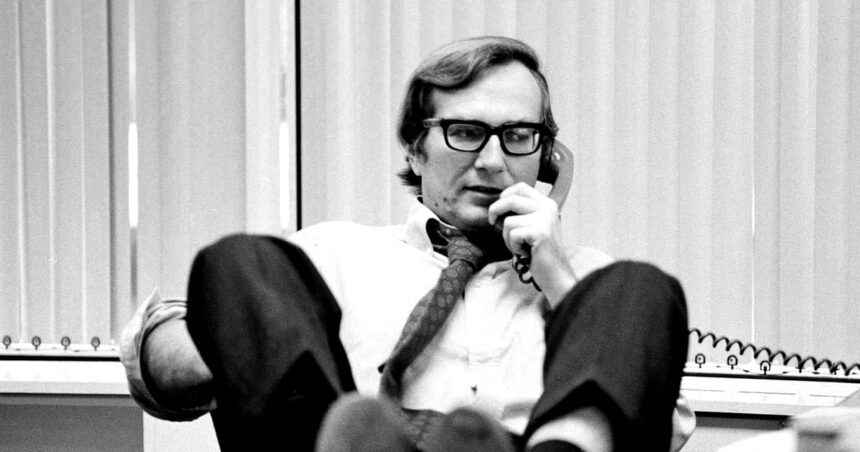
Exploring the Legacy of Seymour Hersh: Investigative Journalism and Truth
The captivating journey of investigative journalist Seymour Hersh, affectionately known as “Sy,” showcases a remarkable blend of charisma and insight that not only made him a suitable front-of-house operator in his father’s Chicago dry cleaning business but also a prominent figure in the world of journalism for over five decades. In the documentary directed by Laura Poitras and Mark Obenhaus, the essence of Hersh’s approach to journalism is laid bare, illustrating how his unique personality—infused with “pizazz”—has drawn sources to him like moths to a flame.
The My Lai Massacre: A Turning Point in Journalism
Now 88 years old, Hersh’s mental acuity remains sharp as he revisits the chilling details of the My Lai Massacre, a pivotal event in his career. On March 16, 1968, U.S. soldiers committed an unspeakable atrocity in the Vietnamese village of My Lai, killing thousands of unarmed civilians. The Army’s official report downplayed the incident, claiming only 128 Viet Cong members were killed. It wasn’t until a determined young reporter, driven by a tip, began investigating that the truth slowly began to unravel.
The documentary delves deep into how Hersh tracked down Paul Meadlo, a soldier haunted by his actions during the massacre. Meadlo’s willingness to speak candidly about the horrifying events—including the shooting of civilians—provided Hersh with powerful testimony that would ultimately challenge the official narrative. The poignant quote from Meadlo’s mother, “I sent them a good boy and they made him a murderer,” captures the devastating impact of this event on the lives involved.
Behind the Documentary: Hersh’s Unique Perspective
Poitras and Obenhaus weave Hersh’s reflections with media coverage that has become integral to our collective memory of U.S. actions during the Vietnam War. In a rare look at his source materials, Hersh allows the filmmakers access to a black-and-white map of My Lai, annotated with chilling notes that paint a graphic picture of the events. Hersh, who acknowledges he doesn’t overanalyze his subjects or himself, reflects on the troubling silence that surrounded the My Lai incident for so long. He posits that the horror felt so extreme that it seemed unspeakable for those involved—highlighting how systemic issues persistently overshadow such tragedies.
This reflection resonates powerfully today, drawing parallels to recent conflicts. Hersh’s commentary opens up a disturbing dialogue about the nature of war crimes, suggesting that similar situations continue to arise in various conflict zones, forcing viewers to critically consider the patterns in U.S. foreign policy.
Seymour Hersh: A Voice for Truth
The documentary presents Hersh not just as a veteran journalist but as a deeply human figure. Poitras’s directing, in collaboration with Obenhaus, captures Hersh’s complex legacy, balancing the remarkable stories he uncovered with the sometimes harsh realities of his career. His candidness offers glimpses into the challenges he faced, including threats from officials and pushback from colleagues, exemplifying the inherent risks of uncovering uncomfortable truths.
Through archival footage and clips that reveal the contentious reactions to his work—from Nixon’s infamous derogatory comments about him to outraged calls from the American public—viewers get a clearer understanding of the professional struggles Hersh navigated. His departure from The New York Times, which followed the discovery of systemic corruption affecting his reporting, serves as a reminder of the challenges journalists face in holding power accountable.
Documenting a Lifelong Quest for Truth
As the documentary progresses, viewers learn about Hersh’s upbringing in Chicago, growing up in a family that never discussed the Holocaust. This silence juxtaposed with his career dedicated to exposing state-sanctioned atrocities creates a poignant narrative throughout the film. Hersh’s unique vocal style and mastery of language shine through as he articulates compelling stories that resonate with audiences. His reflections on the nature of truth itself—”There was this story that seemed impossible: it was called the truth”—underscore his enduring commitment to journalism.
Despite the documentary’s various strengths, it is not without its flaws. The rapid pace at which it covers Hersh’s extensive body of work can at times feel overwhelming. However, this intensity also reflects the urgency of presenting the truth and highlights the necessity of ongoing investigations into state actions and their consequences.
Conclusion: The Impact of Hersh’s Work
“Cover-Up” is not just a film; it is a meaningful exploration of a journalist’s life dedicated to the truth—the acceptance of flaws, the pursuit of justice, and the reckoning of past horrors that remain relevant today. As Hersh’s piercing insights continue to challenge official narratives, the documentary serves as both a tribute to his legacy and a clarion call for future generations of journalists to maintain their commitment to uncovering the truth. For those wishing to delve deeper into similar themes of journalism and storytelling, you can explore more articles and reviews on MyAxom Reviews.