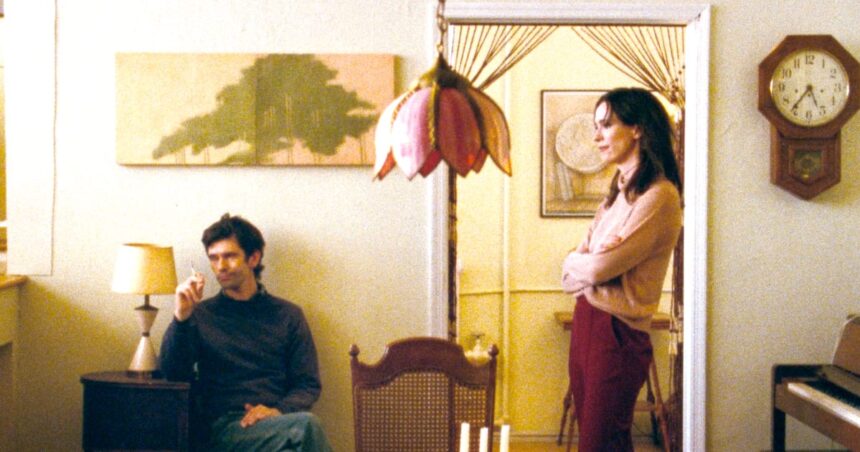
In recent months, the film world has introduced us to numerous cinematic endeavors, but few have stood out quite like Peter Hujar’s Day. Directed by Ira Sachs, this film takes viewers on a leisurely journey through the life of the iconic photographer Peter Hujar, beautifully encapsulating a single day in his life on December 18, 1974. The film is both an homage to Hujar’s artistry and an exploration of the vibrancy of 1970s New York City.
Exploring the Essence of a Day: Peter Hujar’s Pilgrimage
Imagine a pilgrimage down New York’s bustling 2nd Avenue, traversing from the 14th to the 10th streets, and concluding at a modest apartment nestled between Avenue C and Avenue D in Alphabet City. This is the essence of the ‘Peter Hujar Pilgrimage’ that the film captures so vividly. Here, readers are introduced to the legendary Allen Ginsberg, portrayed as somewhat uninterested in the photography session that prompts this exploration. This narrative intricacy and layered symbolism are masterfully unpacked in Sachs’ film, creating a rich tapestry of personal and artistic reflection.
A Film with a Unique Perspective
While Peter Hujar’s Day may not resonate with younger audiences as much as other high-octane films this year, its appeal lies in its unique approach to storytelling. Filled with profound insights and stylistic flair, the film stands out in a cinematic landscape dominated by formulas. The film’s contemplative structure encourages viewers to immerse themselves in the mundane yet profound aspects of daily life, encouraging a deeper appreciation for beauty, pain, and ordinary moments.
Intimate Conversations and Heartfelt Moments
Sachs relies on a treasure trove of audio tapes between Peter Hujar and Linda Rosenkrantz, who serves as a co-writer alongside him. These conversations, captured in the 1970s, were intended for an unfinished book documenting the lives of Hujar and his circle. The film skillfully conveys the intimacy of these moments as viewers sit alongside Hujar and Rosenkrantz in her cozy New York apartment. The Academy ratio beautifully frames Hujar, portrayed by the talented Ben Whishaw, who delivers a performance so captivating that audiences might forget they are watching a portrayal rather than reality.
Reflecting on 1970s New York
Through its lens, Peter Hujar’s Day encapsulates the essence of the 1970s New York art scene, filled with idiosyncrasies that modern digital life has eradicated. The film resonates with the nostalgia of an era where conversations and connections carried different meanings, unencumbered by the constant influx of information characteristic of today’s world. Whishaw’s masterful embodiment of Hujar invokes a sense of the past that is both captivating and haunting, reminiscent of Gary Oldman’s unforgettable portrayal of Winston Churchill.
The Film’s Visual and Thematic Inspirations
Sachs draws inspiration from cinematic greats, channeling a mix of influences from films like The Bitter Tears of Petra Von Kant and the works of Abbas Kiarostami and Andy Warhol. His artistic choices, with emphasis on refined aesthetics and thoughtful storytelling, make this his most notable film thus far. The atmospheric setting, combined with moments of stark exposition, creates a profound sense of place and time, immersing viewers in Hujar’s world.
Conclusion: An Unmissable Cinematic Experience
In conclusion, Peter Hujar’s Day might not dominate mainstream discussions, but it signals an important piece of cinema that invites reflection. It underscores the beauty found in everyday life through the lens of a creative genius. For those who appreciate thoughtful narratives and character-driven storytelling, this film is a must-watch—a testament to the art of living and remembering.
To explore more insightful reviews and perspectives on films, visit MyAxom Reviews. For further details on films, check our dedicated section on Movie Reviews or stay updated with the latest in the cinema world through Box Office updates.