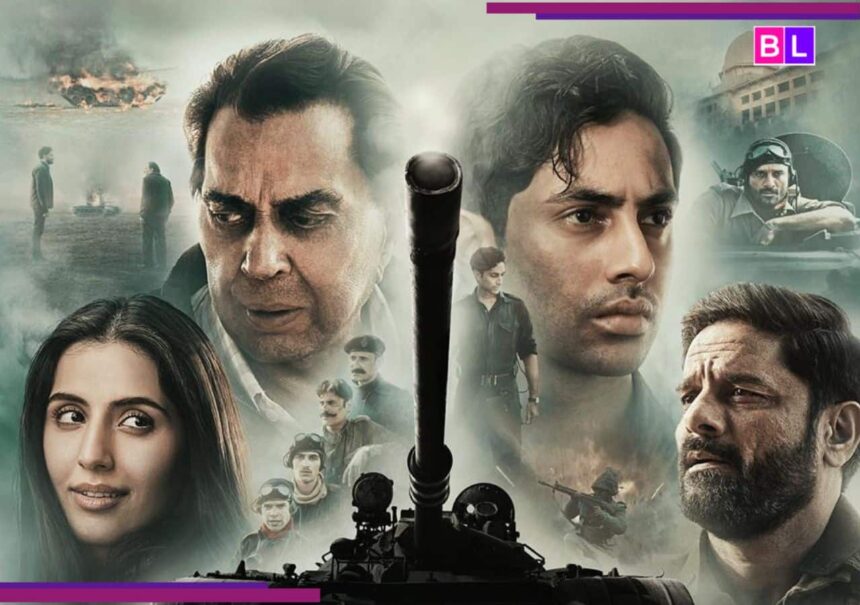
Objective: This article delves into the biographical war drama Ikkis, a poignant tribute to Second Lieutenant Arun Khetarpal, the youngest recipient of the Param Vir Chakra, who displayed remarkable valor during the 1971 Indo-Pak War’s Battle of Basantar. The film captures not only his bravery but also the emotional weight carried by his family in the aftermath of his sacrifice.
About the Film Ikkis
Director: Sriram Raghavan
Cast: Agastya Nanda, Dharmendra, Jaideep Ahlawat, Simar Bhatia
Writers: Sriram Raghavan, Arijit Biswas, Pooja Ladha Surti
Duration: 143 Minutes
Rating: 4 Stars
Overview and Themes
Ikkis goes beyond the typical war drama, offering a deep dive into the life and times of Arun Khetarpal, who at just 21 years of age, exemplified courage and commitment. Rather than focusing solely on combat, the film explores Arun’s aspirations, heart, and the severe emotional consequences of warfare. It artfully intertwines themes of bravery and loss, creating a rich narrative around the life of a hero.
The film features an emotional farewell from Dharmendra and a compelling debut performance by Agastya Nanda, alongside a powerful portrayal by Jaideep Ahlawat. These performances contribute to a unique storytelling style that feels both grounded and impactful, positioning Ikkis as a standout in Indian cinema’s war genre.
Director’s Approach and Narrative Style
Director Sriram Raghavan skillfully sidesteps common war film clichés, opting for a reflective narrative that leans toward the emotional struggles of both fighters and survivors post-war. By employing a dual-timeline structure, Raghavan provides a fresh perspective, focusing on Arun’s fierce dedication amidst the chaos of battle, while also showing the long-term impacts of his heroism.
The first timeline brings audiences to the December 1971 Battle of Basantar, where Arun courageously leads his tank through perilous, mine-laden territory. The depiction of warfare is intense and poignant, effectively communicating Arun’s psychological state without relying solely on dramatic visuals.
Casting and Character Portrayals
Agastya Nanda impresses as Arun Khetarpal, delivering a heartfelt performance that showcases his craftsmanship. His portrayal reflects a blend of youthful enthusiasm and genuine sincerity, bringing depth to Arun’s ultimate choice to remain with his burning tank, illustrating his unwavering sense of duty.
The film’s emotional core is strengthened by the 2001 timeline, featuring Dharmendra as Brigadier M. L. Khetarpal, Arun’s father, whose interactions with Jaideep Ahlawat’s Brigadier Khwaja Mohammad Nasir offer a poignant exploration of grief. Their conversations highlight the personal toll of warfare, moving beyond mere historical context to delve into the human experience of loss.
Emotional Depth and Cinematic Techniques
Dharmendra’s portrayal is marked by restraint, capturing a lifetime of grief and pride through subtle expressions and movements. Knowing that this is his final film role adds a layer of significance to his performance. The exchanges between Dharmendra and Ahlawat provide insightful glimpses into post-war reconciliation, crafting some of the most impactful moments in modern Indian cinema.
The film utilizes visual effects judiciously, enhancing the authenticity of the tank warfare experience without detracting from the story’s emotional gravity. The immersive quality of combat sequences draws viewers into the precarious environment of battle, presenting a visceral view from the soldiers’ perspective.
Soundtrack and Direction
The background score complements the narrative effectively, opting for minimalism during chaotic sequences and adopting a more introspective tone in reflective moments. This balance allows the audience to feel the tension of combat while also connecting emotionally with quieter scenes. The restrained dialogue is impactful and resonates due to its authenticity and thoughtful delivery.
Raghavan’s directing style is marked by confidence and subtlety, providing space for character development and emotional resonance. The screenplay, co-written with Arijit Biswas and Pooja Ladha Surti, seamlessly weaves together the dual timelines, enhancing the film’s narrative depth. Simar Bhatia also makes a noteworthy contribution as Kiran, Arun’s love interest, who adds warmth and humanity to the story without overshadowing its central themes.
A Production That Prioritizes Emotional Truth
Maddock Films deserves commendation for backing a project that emphasizes emotional resonance over commercialism. The meticulous attention to historical authenticity, combined with a focus on nuanced storytelling and human emotion, reflects a production house willing to take bold steps toward meaningful cinema.
Conclusion: A Powerful Tribute
In conclusion, Ikkis serves as a profound meditation on themes of bravery, grief, and the essence of humanity. The film honors the ultimate sacrifice made by soldiers without resorting to glorifying violence. Through an empathetic lens, it preserves the memories and legacies of heroes, enriching the audience’s understanding that true heroism extends beyond battlefield prowess—it encompasses the emotional choices and impacts that persist long after the echoes of war have faded.
For more reviews and updates on films, visit MyAxom Reviews or check out our sections on movies and music reviews.
Stay updated with the latest news and trends in cinema by subscribing to our newsletter!