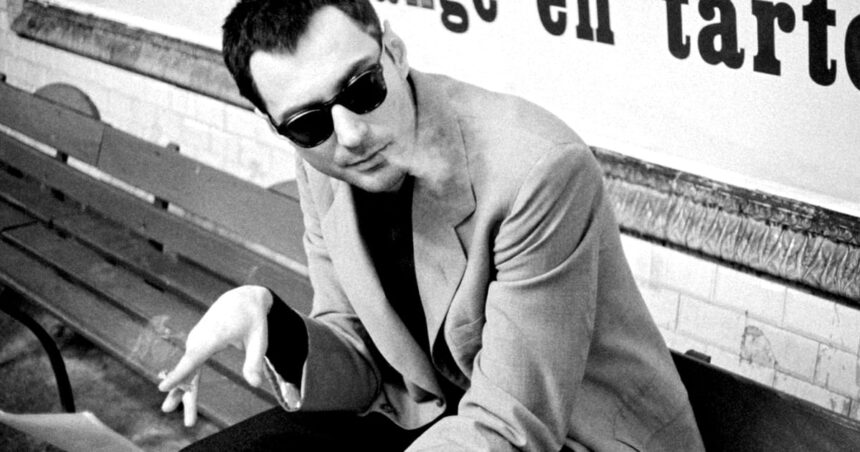
Exploring the Essence of Cinema: Richard Linklater’s Tribute to Breathless
Richard Linklater’s latest film pays homage to Jean-Luc Godard’s iconic work, Breathless, a hallmark of the French New Wave. This exploration of Godard’s innovative techniques stands in stark contrast to a production process filled with challenges and conventional pressures, reflecting a duality that resonates with cinephiles across the globe.
- Exploring the Essence of Cinema: Richard Linklater’s Tribute to Breathless
- The Tension of Creation in 1959
- Behind the Scenes: A Balancing Act of Humor and Tension
- Cinematic References and the Dilemma of Historical Narrative
- The Conclusion: An Intriguing Examination of Cinema’s Evolution
- Further Exploration of Film and Reviews
The Tension of Creation in 1959
The year is 1959, and in the backdrop of a revolution in cinema, critic Jean-Luc Godard (portrayed with flair by Guillaume Marbeck) stands among his contemporaries yet to create a feature film. While Claude Chabrol and Éric Rohmer have already made their marks, François Truffaut’s The 400 Blows is about to premiere at Cannes, illuminating the path for Godard. His determination to forge a non-traditional film encourages him to forgo full scripts, focusing instead on natural emotions. This unorthodox approach would eventually lead to the pioneering of the jump-cut technique.
As the production of Breathless unfolds, Godard faces immense resistance from his financier at every turn. Simultaneously, actress Jean Seberg (played by Zoey Deutch) is caught in the turmoil, held back from departing the project by her manager husband. Amongst the chaos, Godard’s unwavering confidence shines, embellished by Linklater’s witty dialogue that serves to silence objections and steer the narrative forward, despite looming uncertainties.
Behind the Scenes: A Balancing Act of Humor and Tension
Linklater expertly navigates the ‘getting the band together’ aspect of filmmaking, revealing the procedural elements that contribute to the production’s progress. However, some may find the gimmicky introductions of various characters loses its appeal rather quickly. Seberg, freshly arrived from Otto Preminger’s Bonjour Tristesse, embodies a mix of skepticism and fame, while the green but eager boxer Jean-Paul Belmondo (played by Aubry Dullin) injects youthful energy into the mix. However, it is Matthieu Penchinat, portraying director of photography Raoul Coutard, who steals the show with his comedic sincerity, often delivering laugh-out-loud moments.
Linklater captures the absurdity of filmmaking as a sacred endeavor, especially when contrasted with the harsh realities of life beyond the camera lens. This rare acknowledgment of the outside world elevates the narrative, although it reinforces the contradiction present in attempting to inject tension into a well-known historical account. Here, the outcome is an established fact, and audience enjoyment largely pivots on their appreciation for historical reenactments.
Cinematic References and the Dilemma of Historical Narrative
The film is rife with insider jokes that nod toward the rich tapestry of cinematic history. Linklater, however, faces a dilemma: juxtaposing insights for cinephiles with an attempt to create dramatic stakes. While A Bout de Soufflé is heralded as a seminal piece that altered the course of cinema, this acknowledgment inadvertently drains the mystery from Godard’s narrative as a fledgling artist, leaving audiences with conflicting sentiments about the film’s tension and stakes.
The Conclusion: An Intriguing Examination of Cinema’s Evolution
Through his homage to Godard, Linklater invites audiences to reflect on the evolution of cinema while simultaneously acknowledging the trials faced during the creative process. The earnest, sometimes chaotic journey of bringing Breathless to fruition mirrors broader challenges faced by artists everywhere. For viewers, the allure of rich cinematic history interwoven with humor and realism makes this exploration not only engaging but essential viewing for anyone passionate about film.
Further Exploration of Film and Reviews
If you’re intrigued by this exploration of cinema, you might enjoy diving deeper into various reviews and articles about films. Check out more at MyAxom Reviews or browse through our movie-specific analyses at MyAxom Movies Review.
For enthusiasts exploring film history, the links to MyAxom Music Review and MyAxom Box Office provide additional insight into the broader landscape of cinema. Let’s continue celebrating the art of storytelling through the lens of film!