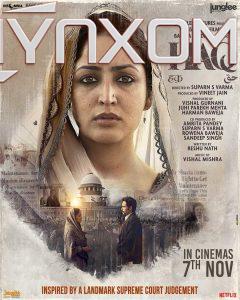
Haq Movie Review: A Deep Dive into Justice and Resilience
In the vibrant landscape of Indian cinema, Haq, directed by Suparn S Varma, stands as a poignant narrative exploring themes of justice and personal resilience. Starring the incredibly talented Yami Gautam and Emraan Hashmi, this film, set against the backdrop of 1967 India, takes viewers on an emotional journey that resonates with contemporary social issues. Here’s our comprehensive review of HAQ, rated at 3.5/5 by MyAxom Reviews.
- Haq Movie Review: A Deep Dive into Justice and Resilience
- Star Cast and Director
- Synopsis: A Tale of Love Turned Sour
- Story and Direction: A Reflection of Reality
- Highlights of the Film: Execution and Emotional Depth
- Areas for Improvement: A Call for Depth
- Performances: A Standout Cast
- Technical Aspects: Crafting the Atmosphere
- Conclusion: An Engaging Drama with Potential
Star Cast and Director
Haq boasts a talented cast leading the charge in delivering a gripping story. The spellbinding performances of Yami Gautam and Emraan Hashmi are pivotal to the film’s impact. Directed by Suparn S Varma, known for his knack for storytelling, the film captivates with its engaging narrative style, allowing audiences to connect deeply with the characters’ struggles.
Synopsis: A Tale of Love Turned Sour
Haq follows the life of Shazia Bano, portrayed brilliantly by Yami Gautam, who falls in love with charismatic lawyer Abbas Khan, played by Emraan Hashmi. However, their seemingly blissful relationship faces turmoil when Abbas returns home three months later with a shocking revelation: he has married another woman, Saira, under the pretext of helping a widow. As the plot unfolds, audiences witness Shazia’s emotional turmoil and her quest for justice amidst societal pressures. The compelling narrative highlights the complexities of love, heartbreak, and the relentless pursuit of truth.
Story and Direction: A Reflection of Reality
Based on the book Bano: Bharat Ki Beti by Jigna Vora and inspired by true events, the screenplay written by Reshu Nath provides a gripping storyline that reflects the real struggles faced by many women in society. While there are instances where the writing lags, the dialogues resonate well with the audience, eliciting applause during key moments in the film.
Director Suparn S Varma excels in maintaining a straightforward narrative devoid of legal jargon that could alienate viewers. The character of Shazia Bano is well-developed, drawing empathy from the audience as she navigates through her trials. The film sheds light on the significant but often overlooked details of the Shah Bano case while engaging viewers in a more digestible narrative.
Highlights of the Film: Execution and Emotional Depth
The first half of Haq is where the film truly shines, creating an engaging ambiance filled with tension between Shazia and Saira. The confrontational scenes are intense, notably when Saira discloses her truth to Shazia, which leaves a lasting impact. Post-interval, the courtroom drama intensifies, offering gripping sequences that elevate the film’s stakes. The climax is a particularly powerful moment that delivers on the emotional promise set throughout the film.
Areas for Improvement: A Call for Depth
Despite its strengths, the second half of Haq experiences fluctuations in interest as the narrative becomes episodic. The film could benefit from a deeper exploration of Shazia’s societal ostracism and the aftermath of her legal battle, especially once the case reaches the Supreme Court. These elements would enhance the audience’s understanding of the character’s struggles and foster a more comprehensive connection to the cause presented in the film. Additionally, while the film is socially relevant, its appeal appears more tailored towards urban viewers and multiplex audiences.
Performances: A Standout Cast
Yami Gautam delivers an outstanding performance in Haq, arguably her finest to date, showcasing her ability to portray deep emotional resonance as Shazia. Emraan Hashmi’s portrayal of Abbas Khan adds layers to his character, veering away from the typical villain archetype, which greatly amplifies the story’s tension. Vartika Singh emerges as a noteworthy performer, while supporting roles from Danish Husain, Sheeba Chadha, and Aseem Hattangady enrich the narrative further.
Technical Aspects: Crafting the Atmosphere
The technical elements in Haq, including music and cinematography, have room for improvement. Vishal Mishra’s soundtrack does not leave a lasting impression, although the title track stands out. The cinematography by Pratham Mehta captures the essence of the film, enhancing the storytelling without overshadowing the narrative. Production design offers a realistic depiction of the era, although certain visual effects lack polish, particularly in depicting courtroom scenes. Editing by Ninad Khanolkar is commendable, offering a slick pace that keeps the audience engaged throughout.
Conclusion: An Engaging Drama with Potential
In conclusion, Haq emerges as a powerful drama that tackles significant social issues with grace and fervor, highlighted by strong performances and an engaging storyline. While the film may open modestly at the box office, positive word of mouth could bolster its success, resonating with audiences who appreciate socially relevant narratives. As the film makes its way through cinemas, it encourages discourse on justice and women’s rights within the Indian context.