Exploring the Power of Documentary Film: A Journey Through Memory and Loss
Documentaries have a unique ability to preserve memories in a rapidly changing world. They act as time capsules, capturing moments, histories, and figures before they fade away. The recent selections at the Chicago International Film Festival exemplify this cinematic form’s profound impact, focusing on themes of remembrance and loss through three compelling stories: a village in Kosovo, a disgraced Ghanaian president, and a region in Italy devastated by a volcanic eruption.
- Exploring the Power of Documentary Film: A Journey Through Memory and Loss
- Kosovo’s Memories in “The Beauty of the Donkey”
- Uncovering Ghana’s Cinematic History in “The Eyes of Ghana”
- Life Amidst Ruins in “Below the Clouds”
- The Importance of Remembrance in Documentary Films
- Conclusion: The Healing Power of Documentary Cinema
Kosovo’s Memories in “The Beauty of the Donkey”
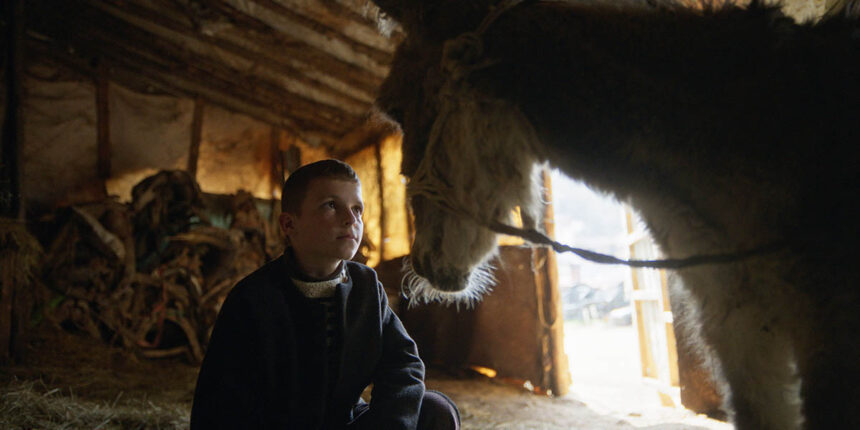
One standout documentary, “The Beauty of the Donkey”, directed by Swiss-Albanian filmmaker Dea Gjinovci, delves deep into the layers of memory and identity. It narrates the poignant journey of Gjinovci and her father, Asllan, as they revisit their hometown in Kosovo after nearly 60 years apart. Through Asllan’s storytelling—recounting memories intertwined with the pain of exile and loss—the film transforms these recollections into vivid theatrical depictions that bridge the past with the present.
The narrative reveals not only personal anecdotes but also historical traumas faced by Asllan’s family under Serbian oppression. His exploration of family lore, especially regarding the death of his mother, confronts both personal and collective pasts. Gjinovci’s unique lens captures a moment of deep reverence as her father emerges from the woods, symbolizing their reconnection with a history that shaped their identities.
Uncovering Ghana’s Cinematic History in “The Eyes of Ghana”
Another noteworthy film is “The Eyes of Ghana,” directed by Ben Proudfoot. This documentary aims to reclaim Ghanaian history through the eyes of legendary cinematographer Chris Hesse, who seeks to retrieve over a thousand cans of footage he captured of Kwame Nkrumah, Ghana’s first president, prior to his downfall. While the subject matter is ripe for an enlightening exploration, the execution falters as the documentary attempts to cram multiple narratives into its runtime.
Proudfoot’s documentary begins with multiple cold opens, introducing Hesse, his protégé Anita Afonu, and a projectionist at Ghana’s historic Rex Cinema, setting the stage for a broader discussion on the nation’s cinematic legacy and the disruptions caused by Western interference in newly independent governments. However, the film struggles to cohesively weave these narratives together, leaving viewers longing for a more focused exploration of Hesse’s impactful footage and its significance in preserving Ghana’s cultural history.
Life Amidst Ruins in “Below the Clouds”
Finally, Gianfranco Rosi’s exquisite black-and-white documentary, “Below the Clouds,” shifts the focus to the Italian landscape shaped by the catastrophic eruption of Mount Vesuvius. Rather than concentrating solely on the volcano’s threat, Rosi captures the vibrancy of life thriving around Naples while intertwining the narratives of archaeologists unearthing Pompeii’s haunting past.
This observational documentary forgoes extensive dialogue, instead conveying its narrative through visual storytelling and ambient sounds. Rosi’s lens captures the stark realities of life near a dormant yet ever-present threat, illuminating the juxtaposition of fear and resilience. The circular editing technique evokes a profound commentary on the fragility of existence and the cyclical nature of life, reinforcing how past tragedies shape contemporary perspectives.
The Importance of Remembrance in Documentary Films
Through these three documentaries, filmmakers explore significant themes of memory, loss, and identity across different contexts and cultures. They remind us that remembrance is not merely an act of nostalgia; it is an essential process of healing and understanding. These films serve as heartfelt testaments that recognize history’s painful chapters while emphasizing the resilience of the human spirit.
Conclusion: The Healing Power of Documentary Cinema
The Chicago International Film Festival showcases these documentaries as critical reflections on the idea of remembrance, encouraging audiences to engage with the past actively. While each film tackles its unique themes, they collectively highlight documentarians’ vital role in preserving memories that shape our cultural and personal identities. As we watch these stories unfold, we are compelled to confront our histories and recognize the strength found within vulnerability.
To stay updated on this exciting release and explore more engaging content, check out MyAxom Reviews for the latest reviews and news regarding the entertainment industry. For more information and updates on upcoming shows and movies, visit MyAxom Movies Review. Don’t miss out on the latest trends and news in entertainment on MyAxom Box Office.