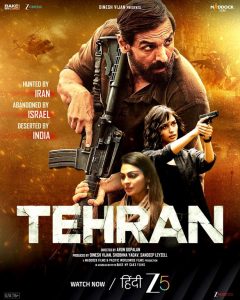
Tehran Movie Review: An Espionage Drama with Untapped Potential
In the realm of Indian cinema, Tehran stands out as an intriguing espionage thriller that offers a blend of action and drama, yet leaves audiences yearning for more. The film features a notable cast including John Abraham, Manushi Chhillar, Hadi Khanjanpour, and Madhurima Tuli. With a rating of 2.5 out of 5, it attempts to tackle serious themes such as revenge and international conflict, while intertwining elements of individual tragedy. However, it falls short in emotional depth and narrative coherence.
Plot Synopsis of Tehran
Set against the backdrop of rising tensions between Iran and Israel in 2012, Tehran follows the story of Special Cell officer Rajeev Kumar, affectionately known as RK, played by John Abraham. Following a series of covert operations and retaliatory strikes, the stakes heighten when an Israeli diplomat is assassinated in Delhi, causing collateral damage that leads to the tragic death of a young Indian girl selling flowers. This brutal act instigates RK’s relentless pursuit of justice, as he embarks on a dangerous mission to locate and eliminate the figure responsible, Afshar Hosseini, portrayed by Hadi Khanjanpour.
Determined to solve the case himself despite pressure from higher authorities to hand it over to the Research and Analysis Wing (RA&W), RK sets off for Iran alongside his junior officer Divya Rana, played by Manushi Chhillar. The subplot of personal vengeance combined with national duty propels the narrative, but is hampered by inconsistencies in character development and emotional resonance.
Screenplay and Direction: Shifting Focus Yet Missing Mark
Written by Bindi Karia and Ashish Prakash Verma, the screenplay of Tehran is fast-paced, allowing for sustained engagement throughout much of the film. The dialogues penned by Karia and co-writer Ritesh Shah strike a realistic tone, grounding the characters in authenticity. However, the direction by Arun Gopalan misses the mark in conveying the emotional weight of the storyline, particularly regarding RK’s motivations. The major catalyst for RK’s actions—the girl’s death—appears to lack the emotional impact intended, leaving viewers questioning his sudden resolve to risk it all for revenge.
Moreover, the story’s progression sometimes feels overly convenient, with RK receiving assistance from allies in various countries rather effortlessly. Such developments undermine the film’s tension and believability, crucial components of a gripping espionage thriller.
Performance Highlights in Tehran
John Abraham’s portrayal of RK is a blend of action hero bravado and emotional restraint, which unfortunately leans more on the latter. While he excels in thrilling action sequences, his performance falls flat in conveying the deeper anguish demanded by the narrative. In contrast, Hadi Khanjanpour delivers a commendable performance as Afshar Hosseini, showcasing a nuanced character that holds the audience’s attention.
Manushi Chhillar, despite her potential, is underutilized, featuring limited screen time accompanied by minimal dialogue. Alyy Khan’s portrayal of a RA&W officer provides a solid performance, while Neeru Bajwa as Rajeev’s colleague Sheilaja maintains a decent presence. However, Madhurima Tuli’s role as RK’s wife feels almost non-existent, failing to contribute significantly to the narrative.
Technical Aspects: A Mixed Bag
The technical execution of Tehran presents a mixture of strengths and weaknesses. The film features a single song, “Hasraton Ke Baazar,” composed by Dhruv Ghanekar, which unfortunately does not leave a lasting impression. Meanwhile, Ketan Sodha’s background score effectively heightens the emotional weight in key moments.
The cinematography by Ievgen Gubrenko and Andre Menezes captures the essence of various settings both in India and abroad, successfully creating an immersive atmosphere. However, it’s the raw and brutal action, orchestrated by Doug Coleman and Amritpal Singh, that enhances the credibility of the film’s narrative, pushing it closer to the international style of cinema. The visual effects crafted by Redefine, along with Meghna Gandhi’s realistic production design, contribute to a convincing portrayal of the film’s world. Furthermore, Akshara Prabhakar’s editing is swift and effective, though it doesn’t mask the film’s narrative shortcomings.
Conclusion: Tehran’s Potential Versus Its Execution
In summary, Tehran emerges as a decent espionage drama with appropriate technical expertise but struggles to fully realize its emotional and narrative potential. It captures the essence of high-stakes international conflict but lacks the depth needed to resonate with audiences on a personal level. Fans of action-packed dramas may find value in its realistic portrayal of espionage, yet for those seeking intricate storytelling and character development, it may leave them wanting more.
Ultimately, Tehran is recommended for viewers who appreciate realistic action narratives, but significant improvements could elevate it to true cinematic greatness. To explore more reviews like this, visit MyAxom Reviews.