Analyzing the New Take on a Classic: The Running Man (2025)
More than three decades have passed since the release of Paul Michael Glaser’s iconic 1987 film The Running Man, a satirical take on dystopian death sports that, in retrospect, is both nostalgic and eerily prescient. The film predicted significant societal upheaval, famously stating, “By 2017, the world economy has collapsed.” With the passing time, we’re left to ponder not only its accuracy but also its relevance in our current media landscape.
In a modern revival, director Edgar Wright steps into the role of both director and co-writer for The Running Man (2025), aiming to resurrect the spirit of the original while navigating the complex implications of reality television in today’s world. The challenge: How can a story about televised death sports remain fresh when audiences have become desensitized to sensationalism in media?
The Premise of the 2025 Adaptation
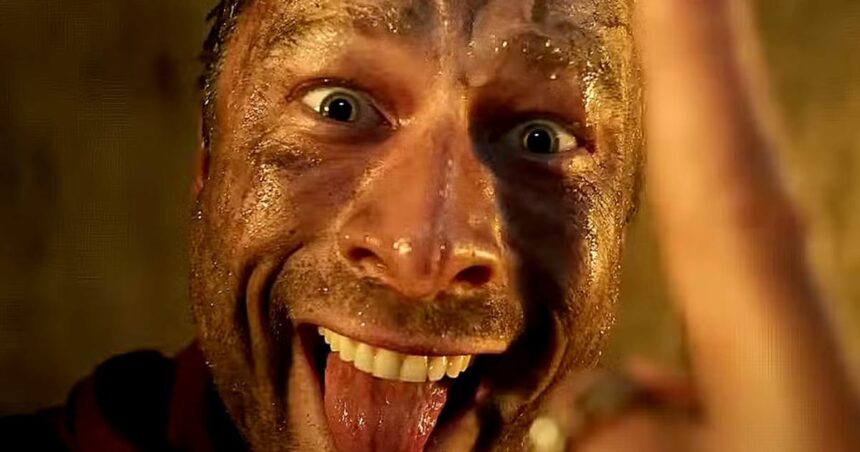
The 1987 original was a unique blend of action, humor, and a critique of mass media, portraying a future dominated by ruthless corporations and a bloodthirsty audience clamoring for entertainment. In the 2025 adaptation, this futuristic landscape is thrust into a grimy version of present-day America, positioning our lead character, Ben Richards, portrayed effectively by Glen Powell, in a world where desperation drives him to participate in a deadly game show merely to provide for his sick child.
Richards, a symbol of the “Angry Young Man,” embarks on a perilous journey where each contestant becomes both hunter and hunted. The story exposes the dark reality of a society willing to exploit human life for ratings—a notion that feels almost prophetic given today’s heavy saturation of reality television. However, while the original film had an air of novelty, the 2025 rendition must contend with an audience well-versed in the tropes of modern televised spectacles.
Character Development and Themes
While Glen Powell’s portrayal of Ben Richards attempts to capture a man driven by righteous anger, both Powell and Wright struggle to depict this emotion convincingly. The incessant grimaces and posturing within the film often feel overacted rather than a genuine display of rebellion against corporate greed. The character’s motivations lack depth as the audience often sees him express frustration merely through visual cues rather than layered emotional complexity.
Moreover, the film plays with the idea of manipulation through artificial intelligence, reflecting contemporary issues surrounding technology and media. Wright’s exploration into how AI generates carefully curated content to influence audiences adds a relevant twist to the narrative. However, rather than enriching the storyline, it raises questions about the authenticity of Richards’ journey and the effectiveness of the game at all.
Technical Execution and Cinematic Aesthetic
Director Edgar Wright, known for his unique visual storytelling, attempts to imbue the adaptation with a distinct style. The film oscillates between the hyper-stylized visuals reminiscent of its predecessor and a grittier aesthetic more aligned with today’s cinematic trends. The transition from a manufactured studio lot to real-world settings might have added weight, but it sometimes sacrifices the film’s playful tone that made the original so memorable.
However, this film falters in wit and subtlety. Despite references to hallmarks of subversive cinema made by directors like Paul Verhoeven and John Carpenter, Wright’s execution seems to miss the mark. The humor appears juvenile and lacks the clever sarcasm that characterized its forerunner.
Conclusion: A Missed Opportunity?
Edgar Wright’s The Running Man (2025) enters a crowded arena of reboots and adaptations, struggling to find its voice in an age where shock value has become commonplace. While it attempts to convey an urgent message about the dangers of media consumption and corporate control, it falls flat in delivering well-rounded themes and engaging content.
The lack of creativity and edge in this modern interpretation sadly overshadows its efforts to gather contemporary relevance. As audiences crave innovation, this iteration of The Running Man serves as a cautionary tale about reimagining old stories; the challenge lies not only in the narrative but in how to spark that initial wonder and critique of society that captivated viewers over three decades ago.
For more insights and reviews on films, check out MyAxom Reviews.