Exploring the Enigmatic World of Nuppeppo: Japan’s Fascinating Yokai
Deep within the heart of Tokyo, on a rainy Halloween night, the atmosphere buzzed with excitement and chills. As I sat in a cozy bar located beneath a stunning stained-glass window, a stranger introduced me to a remarkable creature from Japanese folklore—Nuppeppo. This faceless, foul-smelling figure embodies the eerie magic of Japan’s rich mythology as we delve deeper into the fascinating world of yokai, supernatural beings that inhabit various landscapes of the nation.
- Exploring the Enigmatic World of Nuppeppo: Japan’s Fascinating Yokai
- Unraveling the Mystery of Nuppeppo
- The Cultural Significance of Yokai
- Chōfu: A Yokai Hub
- Yokai in Contemporary Cinema
- Festivals that Celebrate the Supernatural
- Engaging with Yokai Artistry
- The Future of Yokai Culture
- Conclusion: Embracing the Enchantment of Yokai
Unraveling the Mystery of Nuppeppo
Nuppeppo, described as a grotesque lump of rotting flesh, can be traced back to Kyoto’s dark graveyards where it roams. However, its portrayal by modern artists has transformed it from a disturbed spirit into a cheerful figure. Artist Mysterious Lisa’s colorful vinyl designs, reminiscent of classic gachapon toys, infuse a sense of whimsy into its design. This reimagining is just one example of how traditional folklore continues to inspire contemporary artistry in Japan.
The Cultural Significance of Yokai
Yokai encompass a broad category of supernatural entities, including ghosts, demons, and more. They are viewed as a blend of spirits and natural phenomena that can either bring mischief or serve as protectors. The resurgence of interest in yokai, largely due to the work of legendary manga artist Shigeru Mizuki, has helped cement these creatures into modern Japanese culture. Mizuki’s seminal creation, “Gegege no Kitaro,” has captivated audiences through numerous adaptations, bridging the gap between the past and today’s pop culture.
Chōfu: A Yokai Hub
To experience the influence of Mizuki firsthand, one can visit Chōfu, the suburb of Tokyo where he spent a significant part of his life. Unlike the elaborate setups in his hometown of Sakaiminato, Chōfu features charming murals and statues inspired by his characters scattered throughout the town, inviting visitors to appreciate the yokai heritage embedded in daily life. Here, you can find Kitaro welcoming families to explore the playful side of yokai traditions.
Yokai in Contemporary Cinema
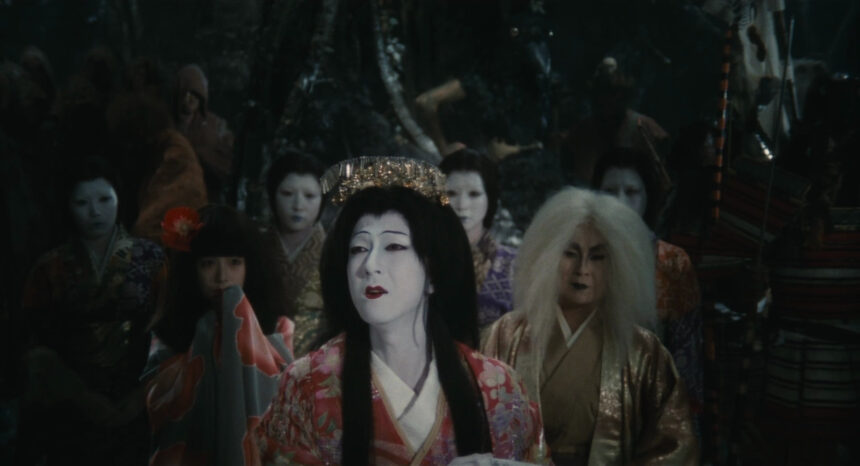
Yokai’s presence isn’t limited to literature and festivals; they have made their mark on Japanese cinema as well. A visit to an art theater in Tokyo to watch Masahiro Shinoda’s classic “Demon Pond” illustrates this blend of history and storytelling. The film evokes the stylistic motifs of Kabuki theater blended with modern cinematic elements, emphasizing the deeply artistic roots of yokai culture. It explores themes of humanity’s relationship with nature and the consequences of neglecting traditional customs.
Festivals that Celebrate the Supernatural
In Kyoto, the Toei Eigamura theme park hosts the “Night Parade of 100 Demons” festival, where a vibrant assembly of yokai characters captivates audiences. This enchanting event, rich in tradition and creativity, showcases the artistry behind yokai representation. Participants come together to submerge themselves in cultural heritage while enjoying themed attractions, such as costumed characters and delicious snacks inspired by mythical figures.
Engaging with Yokai Artistry
Art plays a pivotal role in the revival of yokai culture today. At the Yokai Museum in the Toei Eigamura, one can explore innovative installations by contemporary artists, including woodblock prints that symbolize today’s anxieties through the medium of yokai. Connecting the tales of ancient spirits with modern issues provides a unique perspective on fear, beauty, and society’s pressing concerns.
The Future of Yokai Culture
The continued interest in yokai underscores a wider cultural movement to confront fears and anxieties through creative expression. Artists like Junya Kono, Matthew Meyer, and Mysterious Lisa continue to breathe new life into ancient folklore, engaging the public and transforming dark, supernatural fears into figures of curiosity and charm. As this resurgence unfolds, the legacy of yokai remains as vibrant and captivating as ever.
Conclusion: Embracing the Enchantment of Yokai
From eerie encounters with Nuppeppo to joyous celebrations of yokai culture at festivals, Japan’s supernatural beings offer an incredible lens through which to view the complexities of life. By merging traditional legends with modern storytelling and artistry, these mystical creatures inspire creativity and serve as reminders of the enchantment that can be found in the shadows. This blending of the past and present ensures that the stories of yokai will continue to evolve and resonate for generations to come.
To stay updated on this exciting release and explore more engaging content, check out MyAxom Reviews for the latest reviews and news regarding the entertainment industry.
For more information and updates on upcoming shows and movies, visit MyAxom Movies Review. Don’t miss out on the latest trends and news in entertainment on MyAxom Box Office.