Cult Classic: Exploring the Depths of “High Fidelity”
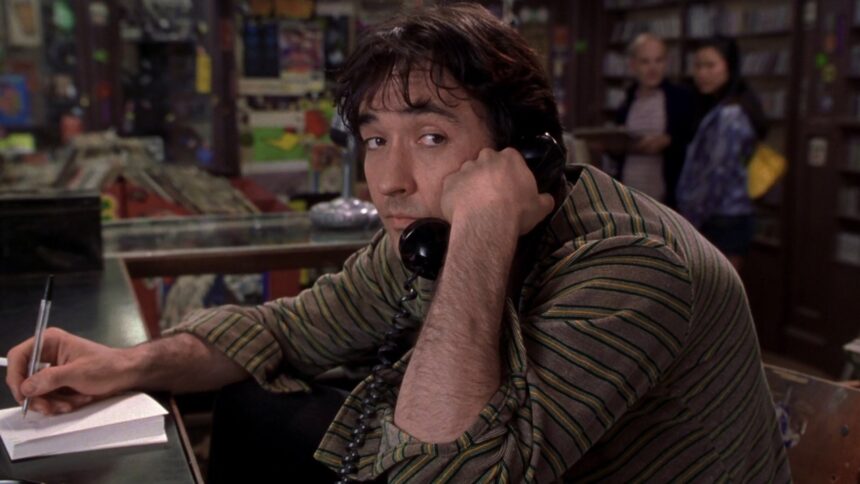
Released over two decades ago, “High Fidelity” remains a seminal film that captures the essence of love, loss, and self-discovery through the lens of a flawed protagonist. John Cusack’s character, Rob Gordon, stands out as an archetype of the petulant, self-absorbed individual, often navigating life’s complexities in a sea of narcissism. As we reflect on this enduring classic, it becomes evident that “High Fidelity” continues to resonate due to its poignant themes and rich character development.
- Cult Classic: Exploring the Depths of “High Fidelity”
- The Flawed Protagonist: Rob Gordon
- A Chicago Classic
- Shifting Narratives: The Adaptation Journey
- Humor and Heart: The Balance of Tone
- Supporting Characters That Make an Impact
- Soundtrack: The Heartbeat of the Film
- A Timeless Exploration of Love and Identity
- Conclusion: A Lasting Influence
The Flawed Protagonist: Rob Gordon
Rob Gordon’s character offers viewers a glimpse into the struggles of living in one’s own head—often forgetting that actions have consequences. His relationships with former girlfriends, particularly Penny, played by Joelle Carter, reveal a deeper layer to his narcissism. While Rob is often at the center of his universe, it’s moments like these that ground him and remind viewers that trauma is real and pervasive. Despite his many flaws, Rob’s journey reflects a genuine attempt at self-discovery, making him a somewhat relatable figure.
A Chicago Classic
Set against the vibrant backdrop of Chicago, “High Fidelity” showcases the city in all its quirky elegance. The film transitions through iconic neighborhoods like Wicker Park and Lakeview, painting a portrait of turn-of-the-millennium urban life. This setting serves as not just a backdrop, but a character in itself, with notable establishments like the Double Door and the Green Mill Lounge marking the cultural landscape of the time. The cinematography by Seamus McGarvey brilliantly captures the gritty, lived-in feel of the city, making it an authentic experience for viewers.
Shifting Narratives: The Adaptation Journey
Originally a British novel by Nick Hornby, “High Fidelity” underwent a successful adaptation into the American cultural fabric thanks to director Stephen Frears and the collaborative efforts of the screenwriting team, which included Cusack. While the original text had distinctly British sensibilities, the film captures the spirit of the book while infusing it with a distinctly Chicagoan flavor. Other adaptations, such as the 2006 musical and the recent Hulu series, have expanded Hornby’s universe, but none have surpassed the universal appeal of the 2000 film.
Humor and Heart: The Balance of Tone
The film’s humor is woven seamlessly into its emotional fabric. Cusack’s charm is amplified by his witty one-liners and sharp observations about love and music. Breaking the fourth wall allows him to connect with the audience in a deeply personal way, making his introspections relatable. One memorable quote showcases this self-deprecating wit: “Did I listen to pop music because I was miserable, or was I miserable because I listened to pop music?” Moments like these encapsulate the film’s ability to blend humor with poignant life lessons.
Supporting Characters That Make an Impact
Rob’s journey is complemented by a richly developed supporting cast that includes Jack Black as the energetic Barry and Todd Louiso as the introverted Dick. These characters provide a touch of comic relief while also serving as foils to Rob’s more serious introspection. Their camaraderie creates a vibrant dynamic within Championship Vinyl, the record store that acts as a safe haven for the misfits in the story. Each character brings depth to the narrative, illustrating the variety of human experiences in the quest for connection.
Soundtrack: The Heartbeat of the Film
The soundtrack of “High Fidelity” stands as one of its most acclaimed features. Each song selected enhances character emotions and drives the narrative forward. From classic tracks like “You’re Gonna Miss Me” by the 13th Floor Elevators to the heart-wrenching sounds of Bruce Springsteen, the music embodies the core themes of nostalgia and heartache. This curated collection not only reflects the characters’ tastes but also adds layers to their stories, reminiscent of a musical without actually being one.
A Timeless Exploration of Love and Identity
As we rewatch “High Fidelity,” the exploration of identity and love remains relevant, even in today’s context dominated by smartphones and social media. It serves as a time capsule, reminding us of a simpler time filled with landlines, mixtapes, and the explosive emotions associated with romantic entanglements. Rob’s quest to revisit his past relationships illustrates a universal truth: understanding one’s self often involves reconciling with the ghosts of former loves.
Conclusion: A Lasting Influence
Over the years, “High Fidelity” has confirmed its place in the pantheon of beloved films. While it may not claim a top spot on every list of Chicago movies, its rich narrative, compelling characters, and astute observations about relationships ensure it remains a resonant work. Its impact on the romantic-comedy genre is undeniable, influencing countless films and a new generation of storytellers.
To stay updated on this exciting release and explore more engaging content, check out MyAxom Reviews for the latest reviews and news regarding the entertainment industry.
For more information and updates on upcoming shows and movies, visit MyAxom Movies Review. Don’t miss out on the latest trends and news in entertainment on MyAxom Box Office.