COVID-19 Impact on the Sundance Film Festival: A Look at Key Films
The Sundance Film Festival has notably altered its U.S. Dramatic Competition lineup in response to the COVID-19 pandemic, reducing the number of films from 16 to 10-12—10 in 2026. This more selective approach not only led to Sundance’s first Best Picture win with “CODA” but has also highlighted other remarkable films, such as “Passing,” “All Dirt Roads Taste of Salt,” “Good One,” “A Real Pain,” and “Sorry, Baby.” While these films showcased extraordinary talent, the critical consensus often diverges from festival awards, leaving audiences curious about which films might resonate and achieve lasting impact.
- COVID-19 Impact on the Sundance Film Festival: A Look at Key Films
- Spotlight on “Josephine”
- The Story of “Josephine”
- Complex Themes of Healing and Justice
- Visual and Emotional Craftsmanship
- Exploring “Union County”
- The Journey of Recovery
- Addressing Humanity in “Union County”
- Disappointment with “The Musical”
- A Grim Tone in “The Musical”
- Conclusion: A Diverse Selection of Voices at Sundance
Spotlight on “Josephine”
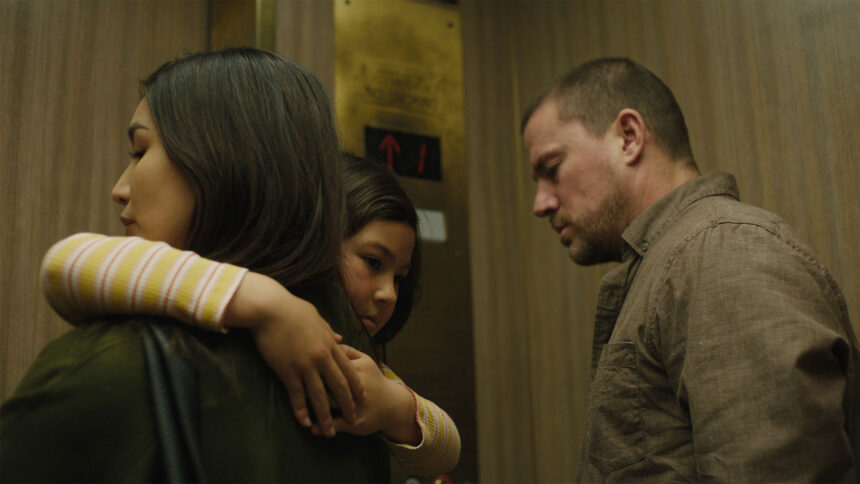
One standout film from this year’s festival is **“Josephine,”** directed by Beth de Araújo. This profound drama compellingly explores themes of trauma and fear through the lens of an eight-year-old girl named Josephine, portrayed by newcomer Mason Reeves, who delivers a breathtaking performance. With a narrative that examines the complexities of parental imperfection and the realities of growing up, “Josephine” ventures into the difficult question of how children navigate fear and trauma, reminding audiences of the importance of vulnerability in human experiences.
The Story of “Josephine”
The film opens with a chilling moment as Josephine and her father, Damien (Channing Tatum), jog through Golden Gate Park. During a brief separation, Josephine witnesses a horrific act of violence, an experience that shatters her innocence. The film delves into the confusion and terror that follows, showcasing how such trauma disrupts a child’s world. De Araújo skillfully keeps the audience anchored in Josephine’s perspective, presenting her harrowing journey with empathy and poignancy.
Complex Themes of Healing and Justice
The narrative intricately unfolds as Damien and Jo’s mother, Claire (Gemma Chan), grapple with the repercussions of the traumatic event. As Josephine’s behavior shifts in school, both parents seek solutions that illuminate their different approaches to healing. With Damien advocating for self-defense training and Claire emphasizing emotional discussions, the film profoundly portrays the struggle between seeking justice and prioritizing a child’s healing process. Allen’s direction emphasizes that both characters, in their quest for protection, reflect their imperfections and humanity.
Visual and Emotional Craftsmanship
De Araújo’s filmmaking techniques enhance the emotional weight of the narrative. Alongside a powerful score by Miles Ross, moments of tension and vulnerability are skillfully amplified through visual storytelling. The film’s haunting imagery—balancing intensity with grace—creates a compelling meditation on fear, trauma, and resilience. As it navigates the challenging realms of its subject, “Josephine” stands out as an exceptional artistic achievement within this year’s Sundance lineup.
Exploring “Union County”
Another notable film presented at the festival is **“Union County,”** directed by Adam Meeks. Though this heartfelt drama on addiction and recovery has moments of brilliance, some critiques suggest that its impact occasionally falters due to its subdued narrative style. Set in Ohio, the film focuses on Cody Parsons (Will Poulter), a recovering addict finding his footing in a world fraught with challenges. The film’s collaboration with the Adult Recovery Project adds authenticity but sometimes leaves viewers longing for deeper character exploration.
The Journey of Recovery
Meeks presents Cody’s story with a focus on routine—work, recovery, and legal obligations. The film highlights the relentless nature of recovery but may veer towards being overly cautious in its portrayal, leading to a pacing that lacks urgency. Poulter’s somber yet compelling performance vividly conveys the internal struggles of addiction without relying on superficial drama, showing the filmmaker’s dedication to authenticity.
Addressing Humanity in “Union County”
What “Union County” brings to light is a crucial reminder of the humanity beneath the statistics of addiction. While it may not break new ground in the genre, it provides a thoughtful glimpse into the everyday realities faced by those navigating recovery. The film serves as a testament to the experiences of individuals battling addiction, ensuring that their stories resonate beyond mere numbers.
Disappointment with “The Musical”
In contrast to the impactful narratives mentioned, the festival features **“The Musical,”** directed by Giselle Bonilla, which has drawn disappointment from critics. The film attempts to explore spite and personal vendettas through the lens of a middle school drama teacher but arguably fails to develop its characters sufficiently to engage its audience meaningfully. The protagonist, Doug Leibowitz (Will Brill), is depicted as a dislikeable figure who embarks on a misguided revenge quest against his principal, ultimately leaving viewers with little to root for.
A Grim Tone in “The Musical”
Instead of delivering humor or relatable moments, the film relies on a toxic narrative that presents Doug’s flaws without any redeeming qualities. The plot, centered around a controversial school musical related to 9/11, lacks the depth and comedic timing required to make it entertaining. Bonilla’s choice to ignore character development results in a film that feels unsatisfying and fails to resonate with audiences seeking compelling storytelling.
Conclusion: A Diverse Selection of Voices at Sundance
This year’s Sundance Film Festival showcases a diverse collection of films that address critical and socially relevant themes. While “Josephine” and “Union County” engage deeply with their subjects, “The Musical” highlights the significance of character relatability and emotional resonance in storytelling. As the festival reflects the shifting landscape of filmmaking, these narratives illustrate the importance of voice and representation in contemporary cinema.
To stay updated on this exciting release and explore more engaging content, check out MyAxom Reviews for the latest reviews and news regarding the entertainment industry.
For more information and updates on upcoming shows and movies, visit MyAxom Movies Review. Don’t miss out on the latest trends and news in entertainment on MyAxom Box Office.