Objective: To produce an engaging, informative article highlighting the innovative contributions of three groundbreaking Japanese filmmakers at the 2025 Tokyo International Film Festival.
Women in Japanese Cinema: Emerging Talent at the Tokyo International Film Festival
The Tokyo International Film Festival (TIFF) stands as a vibrant platform for uncovering and promoting emerging talents in the cinematic world. Each year, the festival not only highlights traditional Japanese cinema but also expands its horizons by featuring avant-garde filmmakers who challenge established narratives. In 2025, TIFF celebrated the work of remarkable female filmmakers and their distinctive perspectives, particularly through its specialized strands focusing on Women’s Empowerment and Nippon Cinema Now. This year, the spotlight was on three visionary directors: Mika Imai, Chihiro Amano, and Keiko Tsuruoka, all of whom explore themes of love, family, belonging, and home in their films. Amidst the festival’s excitement, we had the opportunity to converse with these trailblazers about their creative journeys and inspirations.
Mika Imai: A Unique Voice in Deaf Cinema
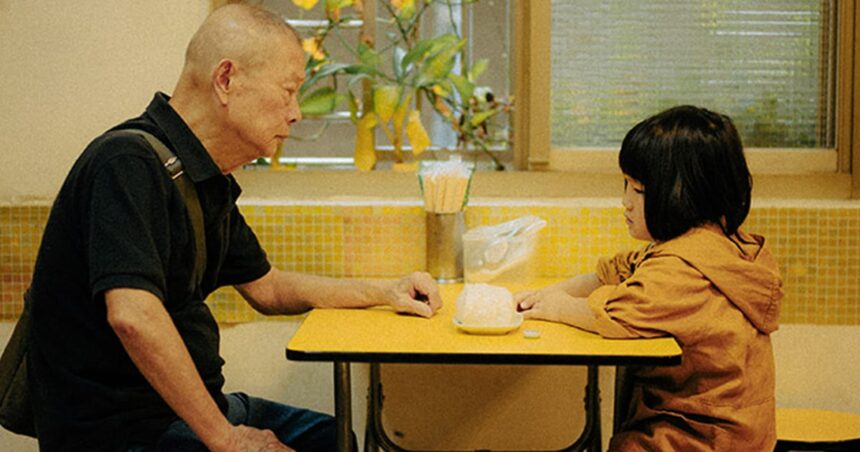
Mika Imai’s film Kiiroiko, which translates to ‘yellow’ in Japanese, weaves a poignant tale of a deaf father and son who lose each other during a holiday in Taipei. Struggling to communicate amidst the unfamiliar environment, they embark on a frantic search, leading them to discover connections within the Taiwanese deaf community. Imai’s journey into filmmaking began in her childhood—a profound experience shaped by her upbringing in a Deaf family where Japanese Sign Language was the primary mode of communication.
In an exclusive interview, Imai reflected on her passion for filmmaking: “As a child, my father brought home a video camera which opened a new world for my brother and me. We often felt isolated in our neighborhood, so we turned to each other and filmmaking as a form of connection. Watching ourselves sign on camera was exhilarating; it mirrored our identity as Deaf individuals.” The authenticity of her work is evident, with her younger brother Akito portraying the father in Kiiroiko, embodying a partnership that has fostered both personal and professional growth.
Her casting decisions exhibit a heartfelt dedication to showcasing Deaf talent. “For a decade, I’ve been involved with the Taiwan International Deaf Film Festival, fostering relationships that allowed me to assemble a genuine cast,” she explained. As the film features authentic Deaf characters, Imai emphasizes the necessity of realistic representation, going beyond mere tokenism in her artistic expression.
Chihiro Amano: Crafting Intimate Narratives
Chihiro Amano, another standout filmmaker at TIFF 2025, also focuses on deep emotional storytelling. Her film Sato and Sato delves into the nuance of human relationships, exploring the ties of family and the complexities of belonging. Amano’s approach to filmmaking is characterized by her immersive storytelling, allowing audiences to resonate with her characters’ struggles and joys. Her narratives challenge societal norms, shedding light on the multifaceted nature of love and connection.
Amano reflects on her journey, stating, “Filmmaking is an exploration of emotions. I aim to capture moments that feel true to our experience as humans.” Her commitment to portraying authentic relationships resonates with viewers, undoubtedly leaving a mark on contemporary Japanese cinema.
Keiko Tsuruoka: Pushing Boundaries in Visual Storytelling
Keiko Tsuruoka’s film, Saikai Paradise, explores the intricate layers of familial ties. By integrating unique visual storytelling techniques, she elevates the narrative experience, crafting a gripping portrayal of modern relationships. Tsuruoka’s background in visual arts influences her filmmaking style, which emphasizes the importance of imagery in storytelling. “I believe that visuals can convey emotions where words may fail,” she shared in our discussion.
As the festival showcased her innovative techniques, Tsuruoka reflected on the significance of representation in film. “It’s crucial to foster a rich tapestry of voices in our industry. Each story adds depth to the collective experience of viewing cinema,” she elaborated. Her dedication to pushing boundaries ensures that her contributions to the industry will inspire future generations.
Conclusion: A New Era in Japanese Cinema
The 2025 Tokyo International Film Festival proved to be a milestone for women in cinema, highlighting the innovative narratives brought forth by Mika Imai, Chihiro Amano, and Keiko Tsuruoka. Their films not only entertain but also provoke thought around crucial societal issues, from the nuances of Deaf culture to the complexities of love and family bonds. As these filmmakers continue to redefine Japanese cinema, they pave the way for diverse voices and stories that reflect the true fabric of society.
For those interested in exploring more reviews and insights from the world of cinema, visit MyAxom Reviews and stay updated on the latest in film and entertainment.
With an evolving landscape of cinematic artistry, the contributions of these trailblazers underscore the importance of inclusivity and creativity. Their work not only celebrates individual stories but also enriches the larger narrative tapestry of Japanese cinema.