- The Odyssey: An Insight into Nolan’s Cinematic Mastery
- Dialogue and Accents: A Modern Interpretation
- Visual Palette: A Moody Aesthetic
- Stellar Performances That Resonate
- The Craft of Storytelling
- Thematic Depth and Human Identity
- The Future of Cinema: Navigating New Landscapes
- Preserving the Art of Storytelling
- Conclusion: Embracing the Magic of Film
The Odyssey: An Insight into Nolan’s Cinematic Mastery
The film adaptation of *The Odyssey*, directed by Christopher Nolan, captivates audiences with its rich storytelling and innovative visuals. This cinematic journey explores themes of perseverance, identity, and the human condition, while showcasing Nolan’s meticulous craftsmanship and narrative depth.
Dialogue and Accents: A Modern Interpretation
Nolan and co-writer Matt Damon chose to use American and British accents, diverging from a strictly historical interpretation. Emily Wilson’s translation of *The Odyssey* served as their guiding light, emphasizing that while some may critique this choice, it enhances accessibility for modern audiences. This adaptation steers clear of focusing on historical accuracy, especially considering the fantastical elements of the tale, such as a giant cyclops puppet devouring Odysseus’ crew.
Visual Palette: A Moody Aesthetic
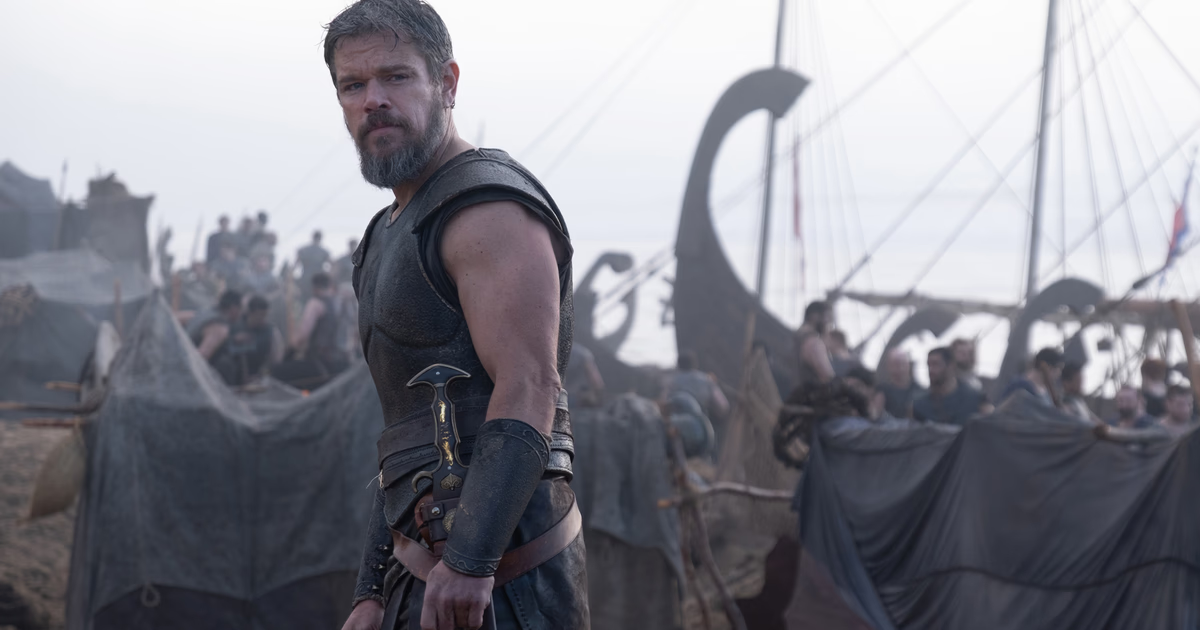
Visual storytelling is one of Nolan’s hallmarks. Collaborating with cinematographer Hoyte van Hoytema, the film features a muted palette dominated by blues, greys, and browns, punctuated occasionally by vibrant reds and oranges. While this choice may disappoint those seeking the bright colors traditionally associated with ancient Greece, it aligns with Nolan’s established aesthetic. The use of moody tones complements the film’s dramatic narrative and intensifies the viewer’s emotional experience.
Stellar Performances That Resonate
The cast of *The Odyssey* is nothing short of exceptional. Matt Damon delivers a nuanced performance as Odysseus, balancing sternness with vulnerability. Tom Holland brings a boyish charm that contrasts wonderfully with Robert Pattinson, who exhibits a growing penchant for darker roles, hinting at future portrayals of complex characters like Iago from *Othello*. The film also utilizes its supporting cast effectively, highlighting the talents of Elliot Page, Samantha Morton, and Lupita Nyong’o, each of whom deliver compelling performances. Benny Safdie’s portrayal of Agamemnon adds a captivating weight to the narrative.
The Craft of Storytelling
Nolan has consistently set high standards for cinematic craftsmanship, and *The Odyssey* is no exception. Clocking in at just under three hours, the film maintains a rapid pace due to Jennifer Lame’s intelligent editing. The intertwining timelines enhance the narrative’s richness, reminding viewers that events evolve into stories, which then become legends. Central to this narrative is Odysseus, who grapples with his memories and quests to discern fact from fiction.
Thematic Depth and Human Identity
At its core, *The Odyssey* is a profound exploration of identity, survival, and the essence of human experience. It highlights the importance of storytelling as a means of understanding our past, shaping our present, and guiding our future. As Joan Didion once articulated, humans craft narratives to … live. This film encapsulates a multitude of themes—love, family, war, and resilience—yet the central narrative revolves around enduring against all odds.
The Future of Cinema: Navigating New Landscapes
The cinematic landscape is evolving. The simultaneous release of *Oppenheimer* and *Barbie* in 2023 sparked discussions about the future of film. Despite stable box office numbers, industry insiders share concerns that many films struggle to find a platform if they aren’t backed by high-profile directors like Nolan. The impact of technology and social media on traditional film journalism is also notable, with reviews increasingly being replaced by AI-generated summaries and the quick takes of influencers.
Preserving the Art of Storytelling
The essence of storytelling should not solely rest in the hands of a few renowned filmmakers. Cinema, as a collaborative medium, thrives on collective preservation. It fosters community and reflects diverse experiences across cultures. Whether enjoyed in a bustling cinema or the comfort of home, films like *The Odyssey* serve as a vital reminder of our shared humanity and enduring spirit.
Conclusion: Embracing the Magic of Film
Christopher Nolan’s *The Odyssey* exemplifies how traditional stories can be retold in contemporary contexts, enhancing their relevance while preserving their core truths. The cinematic experience, whether enjoyed alone or in a crowd, remains a unique form of communion that allows for introspection and dialogue. This film reaffirmingly illustrates that the magic of cinema lies in its power to engage us in timeless narratives that resonate across generational divides.
For more in-depth reviews and insights on cinema, visit MyAxom at MyAxom Reviews and explore our extensive coverage of films and performances. Stay updated with the latest from the film industry through our dedicated sections on movie reviews and box office analysis at MyAxom Movies Review and MyAxom Box Office.