Exploring Two Decades of Change in The Devil Wears Prada Sequel
It has been two decades since the iconic film The Devil Wears Prada graced our screens, and now the highly anticipated sequel is here. The world of fashion and publishing has transformed dramatically since the original film, prompting reflection on how these changes are woven into the fabric of the sequel. Here, we delve into the shifts in both industries and their impact on character development in the new film.
Cultural Landscape Over Two Decades
The fashion industry has undergone a seismic shift towards fast fashion and mass consumption, while the publishing sphere has been nearly obliterated by digital evolution. The fictional magazine Runway, synonymous with high fashion, now mirrors the struggles of real-life entities, existing primarily online and losing its print readership. Veteran journalists reminisce about the “golden days” of magazine journalism, filled with substantial budgets and creative freedom. All the while, writers like Andy Sachs (portrayed by Anne Hathaway) find themselves in a world where authenticity feels like an unattainable luxury.
In this new installment, Andy returns to Runway after facing a professional setback at her former job at The Vanguard. The ensuing story not only mirrors the struggles of many journalists today but also provides a poignant commentary on the evolution of the industry.
A Shift in Tone and Aesthetic
This sequel, while reuniting the original cast along with director David Frankel and writer Aline Brosh McKenna, presents a different narrative atmosphere that contrasts the original’s brisk elegance. The first film was known for its fast-paced, exhilarating montage sequences that captivated audiences effortlessly. However, the sequel takes a more somber approach as it reflects the changed realities of its characters.
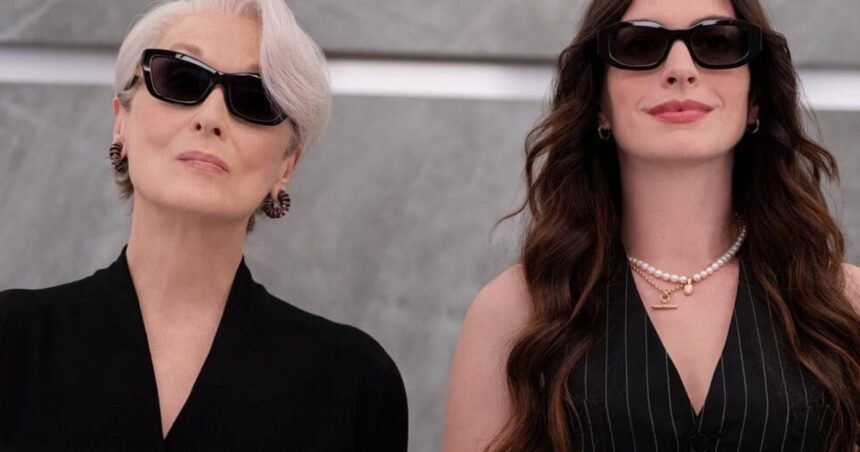
The thrills of the past are still present, but they are underscored by a sense of disillusionment. Miranda Priestly, played by Meryl Streep, seems more subdued, wrestling with the corporate landscape that now requires her to answer to human resources, adding layers of complexity to her character.
Character Development and Dynamics
A key aspect of the sequel is the evolution of the relationships between beloved characters. Andy, who once aspired to find her voice within the industry, returns with a refreshed perspective, wrestling with her identity amidst changing circumstances. Hathaway delivers a matured performance, maintaining the dynamic chemistry with Stanley Tucci’s charming character, Nigel, as they navigate a more turbulent fashion environment.
Emily Blunt reprising her role as Emily adds another layer to the narrative. The changes in her character reflect a more troubling reality. Engaging with a tech billionaire whose vision runs counter to the artistic purity once celebrated, Emily’s narrative arc raises critical questions about ambition and identity in contemporary society. Her once naive dreams have transformed into a misguided pursuit of fame, illustrating a complex journey that resonates with audiences.
Musical Motifs and Artistic Directions
Composer Theodore Shapiro captures the essence of the original film while introducing new elements that reflect the darker tones of the sequel. The score provides nostalgic nods while grounding the viewer in the current grim realities faced by the characters. The seamless integration of music enhances the emotional landscape, giving depth to the character transformations occurring on screen.
A Legacy Sequel with Depth
As viewers navigate this new chapter of The Devil Wears Prada, they are offered a multifaceted experience that extends beyond mere nostalgia. The sequel successfully satisfies the expectations of a legacy film by weaving together familiar callbacks, cameos, and humor while bringing forth a more poignant reflection on how the industry has evolved. It reminds us that while the spirit of high fashion endures, the undercurrents of societal change leave a more profound impact on our beloved characters.
Conclusion: Embracing Change
With its nuanced storytelling and rich character arcs, The Devil Wears Prada 2 is more than just a continuation; it’s a mirror reflecting society’s shifts in fashion and journalism. The film invites audiences to reflect on the larger implications of change within the creative industries while delivering the entertainment value that fans have come to cherish. Whether you’re a long-time follower of the franchise or a newcomer, this sequel promises to resonate deeply, allowing viewers to appreciate both the highs and lows that define the contemporary fashion and publishing landscapes.
To read more insightful film reviews and explore the world of cinema, visit MyAxom Reviews or check out our movie-specific articles at Movies Review.