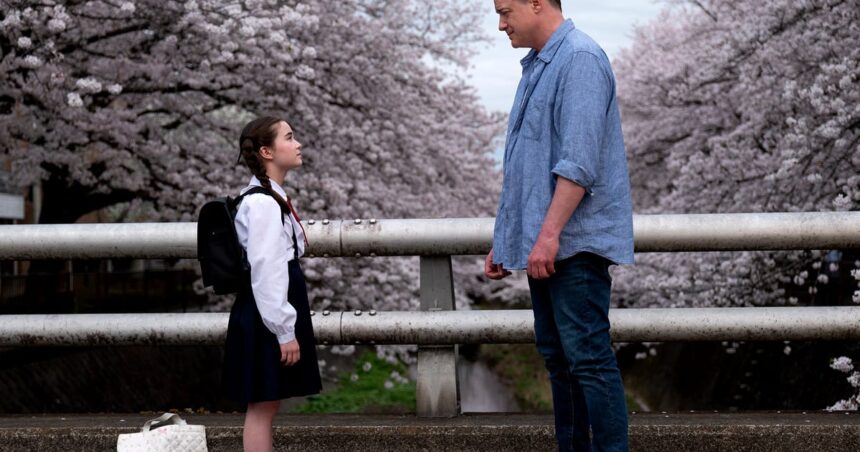
Rental Family: A Unique Exploration of Truth and Fabrication
The latest film to capture viewers’ hearts is Rental Family, which intertwines the themes of love, deception, and personal reflection within the vibrant backdrop of Tokyo. Starring Brendan Fraser as Phillip Vanderploeg, this engaging drama resonates deeply as it explores the lives of those who seek connection through fabricated relationships. This article delves into the film’s intriguing narrative and its social implications.
The Plot: A Heartwarming Journey
Phillip Vanderploeg, portrayed by Fraser, is an actor who has fallen on hard times ever since his brief fame as a “toothpaste superhero” in a commercial. Living in Tokyo, he finds his career devoid of prospects until a chance opportunity, albeit a peculiar one, presents itself. Phillip takes on a role as the “Sad American” at a funeral where, in a bizarre twist, the deceased is revealed to be very much alive. This initial foray into the world of acting for hire marks the beginning of a series of unexpected events that challenge Phillip’s perceptions of identity and relationships.
Navigating Deception: The Role of a Rental Family
Much like the narratives seen in Lulu Wang’s acclaimed film The Farewell, Rental Family navigates the complexities of lying—not just to oneself but to others. As Phillip initially resists the idea of joining the Rental Family service, his experience in a staged wedding opens his eyes to the potential of these elaborate deceptions as vehicles for emotional connection. His co-worker, Aiko (Mari Yamamoto), aptly states, “Sometimes all we need is someone to look us in the eye and remind us we exist.” This poignant reflection underscores the film’s exploration of societal roles and the human need for validation.
Bright Lights and Moral Quandaries
Director Hikari crafts a captivating visual narrative, showcasing a dazzling version of Tokyo that brightens the frames and the themes. The uplifting montages of satisfied customers and whimsical costumes serve to ease any moral concerns about the ethical implications of the service. However, Fraser’s character is portrayed as a kind-hearted and somewhat oblivious outsider who frequently becomes too emotionally invested in the lives he impersonates. This emotional depth leads him to a notable role: posing as a father to a spirited little girl named Mia (Shannon Mahina Gorman), whose mother seeks his assistance in a crucial school interview.
Emotional Depth and Musical Undertones
The film’s score, crafted by Alex Somers and Jónsi, evolves alongside Phillip’s journey, blending upbeat tunes with deeper, more reflective melodies as the plot progresses. This musical journey mirrors the film’s transition from lighthearted entertainment to a reflective exploration of deeper emotional issues. While other filmmakers, such as Hirokazu Kore-eda, might have delved further into the ethical complexities of such a life, Rental Family steers through a more predictable narrative path while still engaging viewers with its emotional resonance.
Subplots and Social Commentary
One interesting subplot touches on Aiko’s role in portraying mistresses who apologize for infidelities, which critiques a flaw in societal norms while also glossing over other significant issues, such as Phillip’s casual interaction with a friendly sex worker. The film, while focused on character arcs within a short timeline, gives a somewhat superficial resolution, glossing over the complexities involved in relationships. The narrative hints at much deeper journeys towards self-awareness and fulfillment, which often require more than just quick fixes.
Conclusion: A Heartfelt Reflection
Despite the American penchant for tidy conclusions, Rental Family manages to poignantly convey the struggles of its characters in a beautifully written narrative. Fraser’s portrayal of an everyman striving for emotional connection serves as a linchpin that resonates with viewers. Through its vivid depiction of life in Japan—from engaging dialogues to vibrant festivals—the film leaves an indelible mark, inviting viewers to reflect on their own feelings of belonging and identity. As audiences depart the theater, they are left pondering the essence of relationships in a world increasingly defined by artificial connections.
For more insightful reviews and articles on movies, visit our dedicated section at MyAxom Reviews or check out other categories such as Box Office and Music Review.