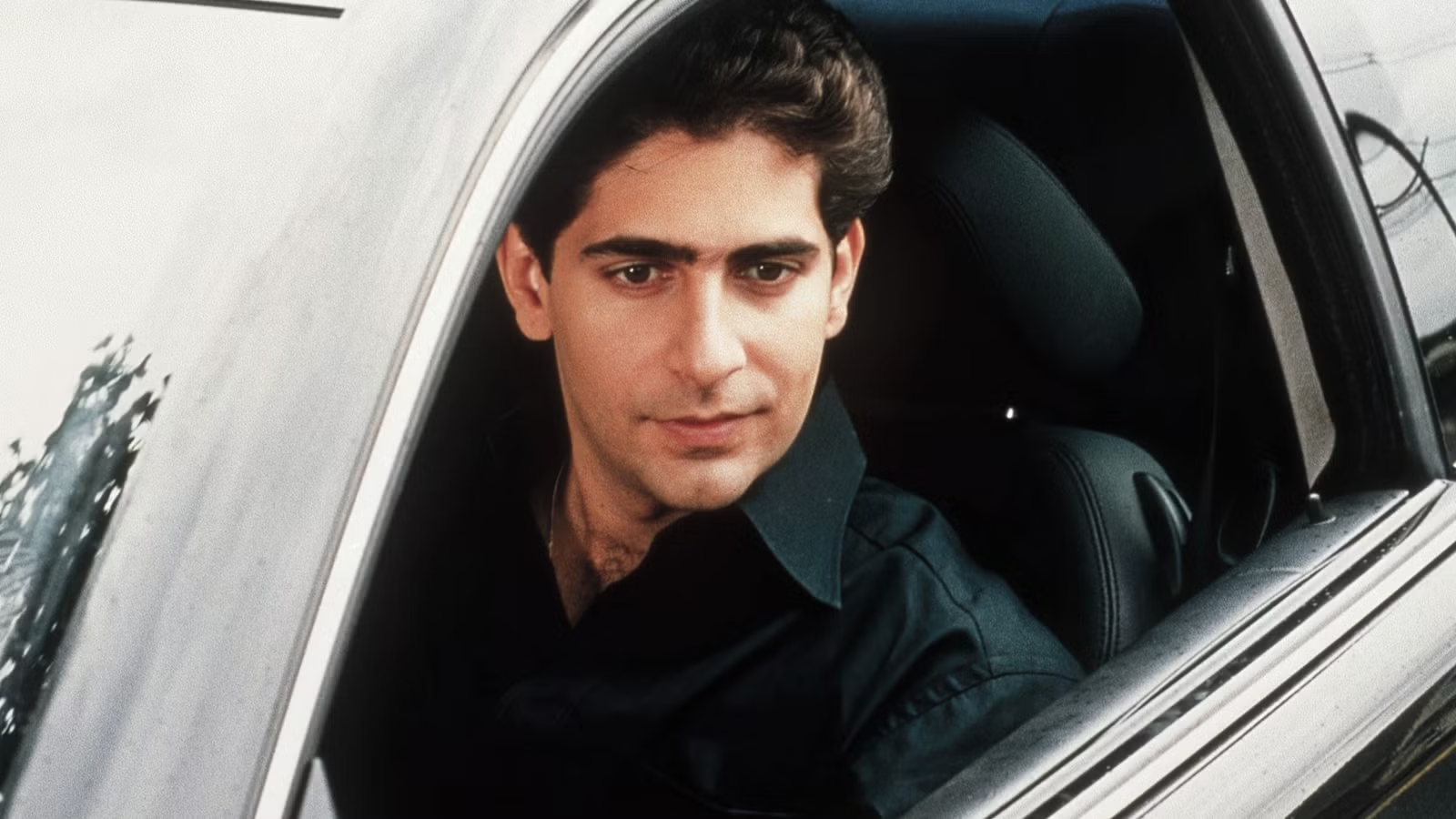
Objective: To explore the groundbreaking impact and legacy of The Sopranos in the television landscape, while examining how its unique narrative style influenced subsequent shows, particularly Sons of Anarchy.
The Epic Legacy of The Sopranos
The Sopranos has redefined television, marking the beginning of the Golden Age of TV. Its innovative storytelling and complex characters have left an indelible mark, influencing crime dramas and family sagas alike. The series not only highlighted moral ambiguity but also showcased that dramas could be as humorous as comedies. This trailblazing show set a new standard for quality and depth in storytelling, establishing that content made for television could rival cinematic productions.
The Evolution of Antiheroes on TV
In the aftermath of The Sopranos, television embraced a more intricate moral spectrum. Before this change, the prevailing belief among network executives was that protagonists needed to be likable to attract audiences. However, the global phenomenon of Tony Soprano revealed that audiences are drawn to characters who are interesting, regardless of their moral compass. Audiences witnessed Tony’s ruthless acts alongside his love for his family, leading to the emergence of complex antiheroes such as Walter White in Breaking Bad, Omar Little in The Wire, and Jax Teller in Sons of Anarchy.
How Sons of Anarchy Draws Inspiration from The Sopranos
Created by Kurt Sutter, Sons of Anarchy came amid a wave of gritty dramas that flourished in the wake of The Sopranos. Similar to Tony Soprano, Jax Teller, the lead character, is embroiled in criminal activities while grappling with familial responsibilities. The series is a modern reimagining of Shakespeare’s Hamlet, drawing profound parallels between its characters and those in the classic play. Jax represents Hamlet, while Clay, Gemma, and Tara embody Claudius, Gertrude, and Ophelia, respectively. This Shakespearean framework adds depth, enriching the narrative beyond mere crime drama.
The Enduring Appeal of Sopranos’ Formula
More than two decades later, the formula presented by The Sopranos continues to resonate. Television producers regularly draw inspiration from its narrative style, demonstrating its universal appeal. David Chase, the creator, skillfully merged relatable family issues with the thrills of crime genres, setting a template that others strive to imitate. Shows like Breaking Bad, Ozark, and Peaky Blinders have all sought to emulate this unique blend of authenticity and intrigue.
A Timeless Influence on Contemporary Shows
The contribution of The Sopranos to television storytelling is immeasurable. By breaking the mold of conventional character archetypes, it enabled future series to explore darker narratives and morally ambiguous protagonists. The show not only captivated audiences but also sparked a creative renaissance in television, resulting in a slew of acclaimed series that examine the complexities of human nature.
Conclusion: The Sopranos’ Enduring Legacy
In summary, The Sopranos has left an everlasting impact on the landscape of television. It set the stage for complex narratives that highlight the multifaceted nature of its characters, influencing shows like Sons of Anarchy and others. As television continues to evolve, the foundational principles established by The Sopranos will likely remain relevant, proving that a well-crafted story can outlast trends and resonate with audiences across generations.
For more engaging reviews and insights on film and television, visit MyAxom Reviews. Discover various movie reviews and stay updated on box-office hits at MyAxom.
For further reading on the historical significance of The Sopranos, check out its Wikipedia page or the IMDb listing. Explore discussions around the show’s themes and character arcs in articles from NDTV and India Today.