The Odyssey Movie Review: A Captivating Journey by Christopher Nolan
The highly anticipated film, The Odyssey, directed by the renowned Christopher Nolan, has finally graced movie theaters. The film has captivated audiences with a significant rating of 4.5/5 from MyAxom Reviews. Starring the illustrious cast of Matt Damon, Tom Holland, Anne Hathaway, and Robert Pattinson, this cinematic spectacle promises an unforgettable viewing experience.
- The Odyssey Movie Review: A Captivating Journey by Christopher Nolan
- Overview of The Odyssey
- Captivating Storytelling by Christopher Nolan
- Key Performances and Character Depictions
- Technical Excellence: Music and Cinematography
- Critique and Areas for Improvement
- Conclusion: A Must-See Cinematic Experience
Overview of The Odyssey
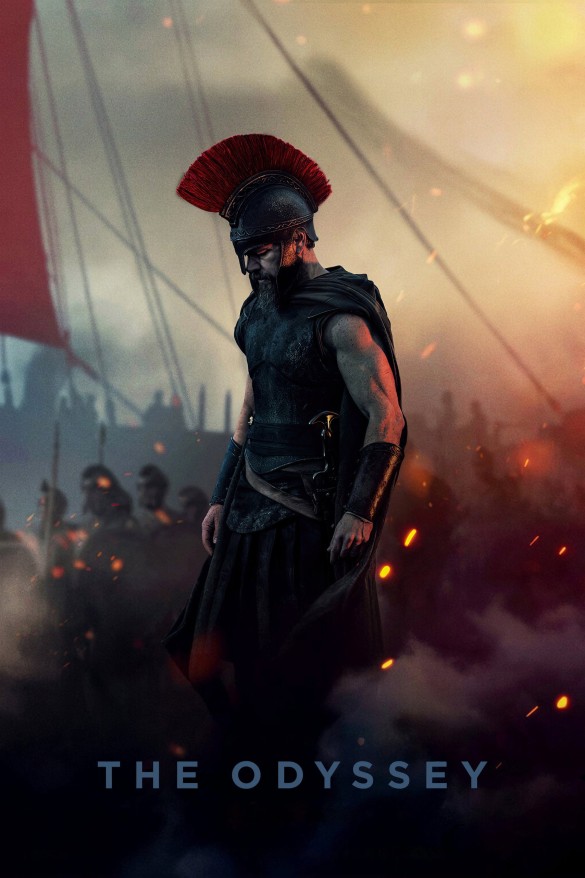
In The Odyssey, audiences are introduced to Odysseus, portrayed by Matt Damon, who embarks on a perilous voyage back to his homeland of Ithaca after his victory in the Trojan War. As the story unfolds, nearly two decades pass in a narrative that intertwines fantasy with profound themes of loyalty and resilience. During his prolonged absence, a group of 108 suitors, led by the self-serving Antinous (played by Robert Pattinson), invade his palace, pressuring his faithful wife Penelope (played by Anne Hathaway) to remarry. Meanwhile, their son, Telemachus (played by Tom Holland), frustrated by the ongoing chaos, sets out to uncover the fate of his father. This quest forms the crux of the narrative, balanced between high-stakes adventure and the quest for personal identity.
Captivating Storytelling by Christopher Nolan
The screenplay, a contemporary adaptation of Homer’s ancient epic, showcases Nolan’s mastery in storytelling. The film seamlessly weaves through multiple timelines, keeping viewers engaged with its gripping plot and thought-provoking dialogues. One striking aspect of the film is its use of modern language that adds a unique flair, though some traditionalists might find phrases like “Dad” and “Daddy” jarring.
Nolan’s direction is nothing short of exemplary. His ability to respect the audience’s intelligence is evident throughout the film, reminding viewers that great storytelling doesn’t need to be simplistic. Unlike typical narratives that may follow a chronological order, Nolan introduces a dual timeline structure that enriches the viewing experience. The film oscillates between Odysseus’ perilous journey home and the turmoil in Ithaca, drawing the audience deeper into its emotional core.
Two standout sequences include Odysseus’ encounter with the Cyclops Polyphemus (portrayed by Bill Irwin) and the enchanting, yet threatening, episode with Circe (played by Samantha Morton). These moments heighten the suspense and thrill that make Nolan’s films so appealing.
Key Performances and Character Depictions
The cast delivers remarkable performances that enhance the film’s overall impact. Matt Damon stands out with an emotionally charged portrayal of Odysseus, depicting the character’s complexity, vulnerability, and strength. His performance resonates with audiences, effortlessly blending heroic actions with emotional depth, making him a strong contender for an Academy Award nomination.
Tom Holland shines in his role as Telemachus, embodying the yearning of a son desperate to find his father. Anne Hathaway brings elegance and depth to Penelope, creating a striking contrast to the chaotic suitors. Meanwhile, Robert Pattinson effectively captures the manipulative essence of Antinous, reminding viewers that his character’s flaws are as significant as Odysseus’s strengths.
Technical Excellence: Music and Cinematography
The technical aspects of The Odyssey are equally impressive. Ludwig Göransson‘s musical score elevates the emotional stakes, with particular brilliance during the haunting Sirens’ scene. Music plays a critical role in immersing the audience in the film’s world, leaving a lasting impression.
Visually, Hoyte van Hoytema‘s cinematography captures breathtaking landscapes and intricate details, making every frame a feast for the eyes. By choosing unconventional locations, the film gains a unique aesthetic that stands apart from typical Hollywood fare. The minimal yet impactful use of visual effects significantly enhances the storytelling without overwhelming the viewer.
Critique and Areas for Improvement
Despite its strengths, The Odyssey is not without flaws. The initial 20 minutes can be disorienting, especially for those unfamiliar with Greek mythology, as they navigate an array of characters and plot dynamics. Some narrative developments may seem rushed or abrupt, such as Telemachus’ newfound inquiries about his father.
Additionally, there are brief dips in pacing that could momentarily disengage viewers. However, these flaws do not overshadow the film’s compelling narrative arc and emotionally charged climax that is sure to resonate with audiences.
Conclusion: A Must-See Cinematic Experience
In conclusion, The Odyssey is a monumental triumph that mixes Christopher Nolan’s storytelling prowess with deeply resonant themes. The stunning visuals, haunting score, and powerful performances—particularly from Matt Damon—make it an unforgettable cinematic experience. As the film aims to surpass even Nolan’s Oppenheimer at the Indian box office, its mass appeal during the explosive climax signals a new benchmark for epic storytelling.
Fans of classic literature and blockbuster cinema alike will find much to appreciate in this film. Be sure to catch The Odyssey on the biggest screen possible and witness a modern retelling of an ancient epic that is sure to provoke thought and emotion.