Objective: This article highlights the participation of Asian voices in cultural life, particularly within the UK arts scene, as well as the impact of emerging filmmakers showcased at the Queer East Film Festival. The following text aims to engage readers while providing significant insights.
Understanding Cultural Participation Among Asians in the UK
The recent study by the Creative Industries Policy and Evidence Centre reveals a concerning trend: Asians represent the demographic with the lowest participation in the UK’s cultural landscape. Several factors could be to blame, including immigration policies prioritizing certain professionals over others, societal attitudes toward the arts, and broader economic pressures impacting discretionary spending habits. Additionally, domestic financial structures are redirecting government funding away from the arts in favor of STEM fields.
The Implications for Asian Voices in Film
This lack of representation resonates within the British Film Institute’s funding distribution, with initiatives like the Queer East Film Festival benefiting from available resources. While the UK government attempts to project support for a diverse arts community, the reality often reveals a stark contrast. What does diversity mean in an industry where financial backing often hinges on proximity to capital? For younger, queer, and racially diverse individuals, navigating this landscape feels increasingly challenging, especially in a climate marked by rising racism and marginalization.
The Challenges of Emerging Filmmakers
This skepticism about the current cultural climate is not unwarranted. Finding employment is difficult, and economic disadvantages are pronounced even when representation appears to improve. The visibility of Asian artists on screen this past year does not equate to better opportunities behind the scenes. Filmmakers often struggle to secure funding for innovative projects not aligned with mainstream production budgets. Such constraints have implications for the diversity of media produced, leading to a homogenized narrative that fails to reflect life’s vibrancy.
Queer East Film Festival: A Response to Cultural Conservatism
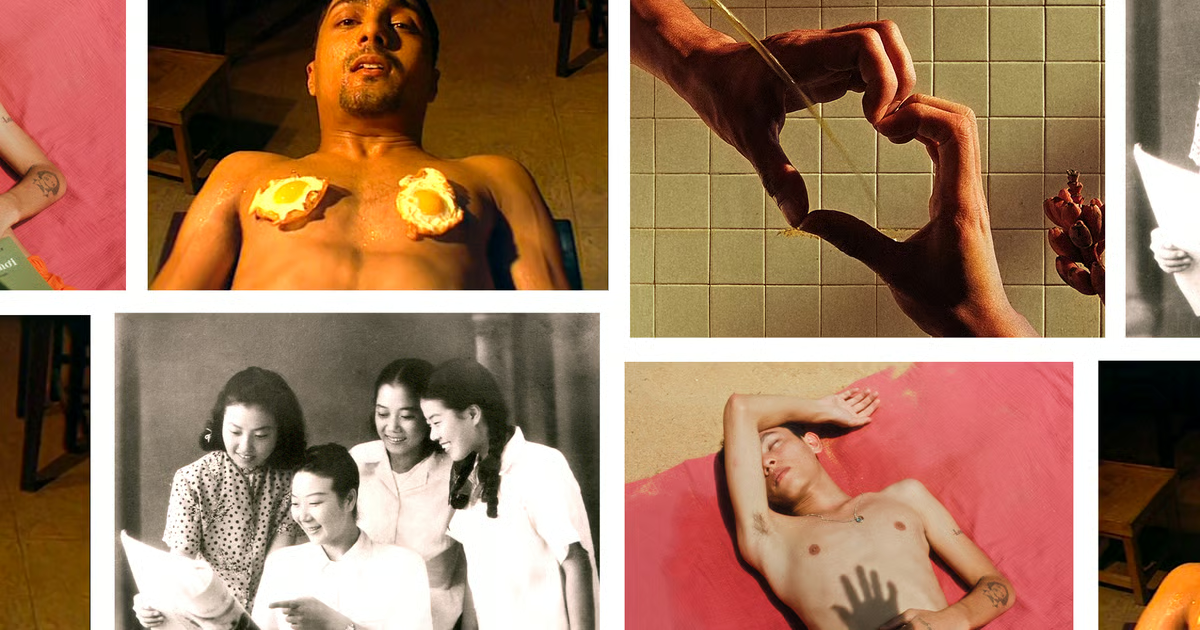
This year’s Queer East Film Festival serves as a powerful counter to the existing financial and cultural conservatism, showcasing an eclectic range of films that celebrate queer experiences. By challenging heteronormative structures that prioritize capital accumulation, these films highlight the essential role of DIY filmmaking. Curated by Najrin Islam, segments like Tender Guerrillas: Self-Filming and Queer Becomings present unique visual narratives that embrace the multiplicity of queerness and South Asian identities.
Innovative Storytelling and Representation
One notable work is Riyad Vinci Wadia’s BOMgAY, which audaciously subverts social mores in a candid library scene amidst a setting of sculpted bodies. Tejal Shah’s There’s a Spider Living Between Us similarly renders illicit desires visible through creative animation, delving into complex themes of sexuality and familial expectations. In Summer in My Veins, Nishit Saran’s self-reflexive storytelling blurs the distinctions between subject and audience, enhancing our understanding of intersectional identities that encompass both queerness and South Asian heritage.
Conclusion: Shaping a Diverse Future in the Arts
The insights and artistic expressions presented at the Queer East Film Festival shed light on the pressing issues plaguing Asian participation in the cultural sector. As advocacy for more nuanced representation continues, the commitment of emerging artists and their willingness to tackle challenging topics is essential in shaping a more inclusive future for the arts. With evolving narratives and bold storytelling, there is hope for a diverse landscape that values every voice.
For more insights on films, culture, and reviews, visit MyAxom Reviews. Your engagement helps foster a community that thrives on diversity and artistic expression.