Unveiling the Power of Photography: A Deep Dive into ‘Shoot the People’
Andy Mundy-Castle’s documentary, Shoot the People, unfolds a compelling story that goes beyond mere photography. It delves into the idea of using a camera as a “weapon of testimony,” central to the journey of Nigerian-British photographer and activist Misan Harriman. As the first Black male photographer to grace the cover of British Vogue, Harriman’s narrative sheds light on decades of injustice, showcasing the power of images not just to capture but to bear witness.
A Journey Through Photographic Archives
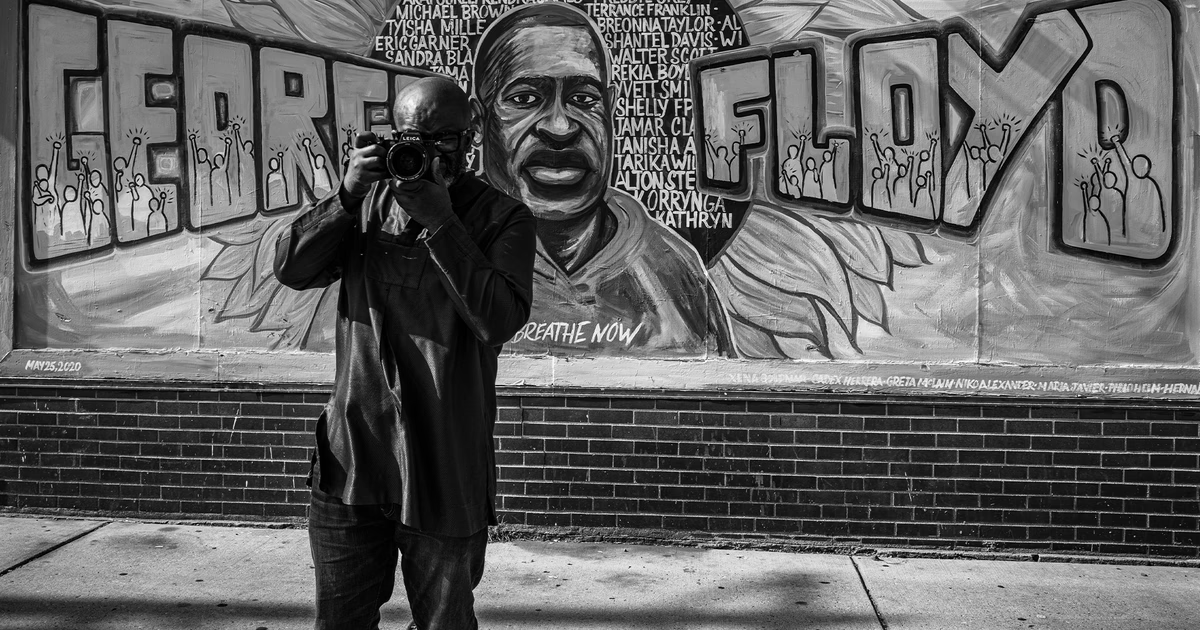
Throughout the film, Harriman’s black-and-white portraits emerge as a crucial element, from vibrant pro-Palestine marches in London to poignant moments at George Floyd’s memorial in Minneapolis. A striking photograph taken during a Black Lives Matter protest catapulted Harriman into the limelight, notably shared by Martin Luther King III. The documentary thrives in letting these powerful images speak for themselves, although some of Harriman’s reflections on his success can come off as somewhat self-indulgent.
The Juxtaposition of Wealth and Advocacy
One of the standout aspects of Shoot the People is its candid exploration of the tensions surrounding Harriman’s wealth and status. He finds himself navigating a complex relationship between documenting social injustices and benefiting from the social capital that photography brings. This theme is poignantly illustrated when Harriman attends the 96th Academy Awards, where his nominated short film, The After, positions him in the heart of Hollywood’s elite while protests erupt just outside the venue.
Influences and Legacies of Protest Photography
A particularly memorable segment of the film pays homage to South African photographer Peter Magubane, renowned for documenting the brutality of apartheid. This tribute not only honors Magubane’s courageous work but also situates Harriman within a historical lineage of protest photography. While the film successfully celebrates Harriman’s contributions, it leaves audiences yearning for a deeper exploration of prior influences that helped shape his path.
More Than Just a Portrait of One Photographer
Ultimately, Shoot the People transcends being a straightforward profile of one artist. Instead, it evolves into a broader celebration of the art of photography itself. The film’s emphasis on how one generation of activists influences the next resonates deeply, reinforcing the essential role photographers play in ensuring that no injustice goes unseen.
Conclusion: The Indelible Impact of Images
As a documentary, Shoot the People invites viewers to reflect on the profound impacts of photography as a form of activism. Through Misan Harriman’s lens, we are reminded that every image captured is a piece of history, a story waiting to be told. The film not only highlights Harriman’s journey but also sparks dialogue about the ethical responsibilities of those who wield the camera as a tool for social change. For a deeper dive into film reviews, check out MyAxom Reviews.