Content warning: This article discusses allegations of child sexual exploitation.
Nirvana’s Nevermind Lawsuit: Latest Developments
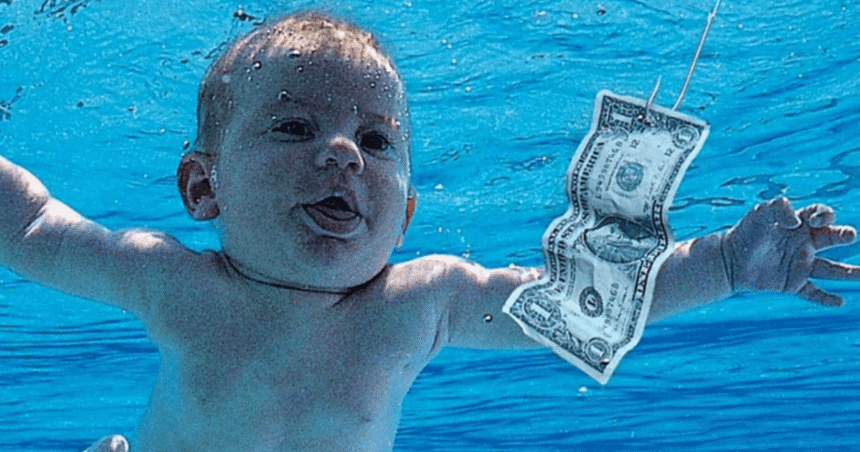
The ongoing legal saga surrounding the iconic Nevermind album cover by Nirvana has reached a significant milestone, as a US federal judge has dismissed Spencer Elden’s case for the second time. The ruling declares that the famous 1991 photograph of Elden as a nude infant swimming after a dollar bill does not constitute child pornography.
In his recent decision, Judge Fernando M. Olguin stated, “Neither the pose, focal point, setting, nor overall context suggest the album cover features sexually explicit conduct.” He further likened the image to a family photograph of a nude child bathing, indicating that it falls far short of meeting the legal criteria for child pornography.
Background on the Allegations
This case is not new; it has experienced multiple dismissals. Initially, in 2022, the case was dismissed based on the statute of limitations. However, an appeals court revived it, leading to the current ruling. Elden’s legal team may still seek to appeal this latest decision, but the judge’s remarks leave little ambiguity about the court’s stance.
Judge Olguin pointed out that Spencer Elden, now in his 30s, has benefitted financially from the photo over the years. He has signed Nevermind memorabilia, recreated the iconic photograph several times, and even tattooed the album’s title on his chest. The judge highlighted this contradiction, stating, “Plaintiff has, for many years, embraced and financially benefited from being featured on the album cover.”
Elden’s Claims and Nirvana’s Response
When he first filed suit in 2021, Elden alleged that the Nevermind cover artwork was exploitative, even suggesting that Nirvana was involved in a “sex trafficking enterprise.” While this claim was dismissed, he continued to pursue damages. Nirvana’s surviving members and their legal team have consistently challenged Elden’s assertions, emphasizing his history of capitalizing on his identity as the “Nirvana Baby.”
Current Status and Implications
With the recent dismissal of Elden’s case, it appears the lengthy battle could finally be coming to an end. However, considering the protraction of this legal dispute over the past four years, it’s plausible that he may attempt to appeal one more time. For now, fans of Nirvana can breathe a collective sigh of relief, knowing that the album cover that shaped a generation remains intact and free from legal repercussions.
Further Reading on the Litigation
For more insights into this case, check these relevant articles:
- Spencer Elden Is Suing Nirvana A Second Time For Child Pornography
- Judge Dismisses Nirvana Baby’s Child Pornography Lawsuit
- Nirvana ‘Nevermind’ Baby Updates Child Sexual Exploitation Lawsuit
This case has drawn significant media attention and sparked discussions about the implications of artistic expression and exploitation. The ruling may set important precedents for similar cases in the future, as the boundaries of art and legality continue to clash.
In summary, the lawsuit over Nirvana’s Nevermind album cover reflects the complexities of cultural norms and the legal frameworks surrounding artistic work. While the past few years have brought turmoil for both Elden and the band’s legacy, the courts have sided with the notion that the artwork should be seen as a significant cultural artifact rather than as a source of exploitation.
To stay updated on this exciting ongoing legal saga and explore more engaging content, check out MyAxom Reviews for the latest reviews and news regarding the entertainment industry. For more information and updates on upcoming shows and movies, visit MyAxom Movies Review. Don’t miss out on the latest trends and news in entertainment on MyAxom Box Office.