Objective: The central premise behind comedian and filmmaker John Early’s directorial debut, “Maddie’s Secret,” is a compelling juxtaposition of humor and serious themes. Early, widely known for his comedic performances, approaches this project with a unique touch: the film wrestles with weighty issues despite the main character being portrayed by Early in a flamboyant manner, complete with a wig and women’s clothing.
“Maddie’s Secret” blurs genres, merging a genuine homage to 1950s women’s dramas with tones reminiscent of NBC’s TV movies. Early draws from various influences to craft a narrative rich in emotional depth while maintaining an air of irreverence similar to John Waters. The film tells the story of Maddie, a thirtysomething food influencer navigating her rise to fame while battling a longstanding eating disorder. Along the way, it features witty jabs at contemporary food trends, including a character played by Conner O’Malley, who embodies the chaotic energy of a food content producer.
As Maddie’s journey unfolds, her emotional vulnerability becomes apparent—especially as she grapples with her friendships, notably with Deena (played by frequent collaborator Kate Berlant) and her supportive husband Jake (portrayed by Eric Rahill). Even amidst the quirks of fellow rehab patients, including Vanessa Bayer, the film addresses the serious nature of disordered eating while never shying away from its comedic roots.
A Comedian’s Shift to Drama
At 38, Nashville-born John Early has propelled himself from stand-up comedy to notable television roles, including stints in “Broad City” and “Search Party.” His character on “Search Party,” Elliott, showcased his ability to play self-absorbed characters who often spiral into chaotic living. “Maddie’s Secret” marks a turn, though, allowing Early to tap into more layered emotional elements while evolving his signature flamboyant aesthetic.
By embracing influences from iconic films like Paul Verhoeven’s “Showgirls” to Hitchcock’s “Marnie,” Early weaves a rich tapestry that reflects both personal and cultural narratives. The film becomes a showcase for cinematic references, with Early’s own experiences and influences spilling into the storytelling, leading to a deeply personal project that surprisingly reveals his vulnerabilities.
Deep Reflections on Influence and Creativity
In a recent conversation with RogerEbert.com, Early discussed his relationship with the media that shapes his work. He reflects on his drive to reference beloved films and the nuances within those influences. He emphasizes that art often reflects life, arguing that being steeped in influences fosters a unique storytelling perspective.
Early also highlighted the frustrations surrounding the cultural obsession with references. The discourse around cinema and artistic creation has become increasingly reference-heavy, often skewing the perceived value of original creative expression. Yet, he relishes the opportunity to spotlight underappreciated films through programming events at venues like Metrograph.
Character Depth and Emotional Resonance
When exploring the character of Maddie, Early remains attuned to the blend of camp and sincerity—noting that finding a balance between emotional authenticity and a humorous facade is essential. Maddie embodies a struggle many share, where the desire for perfection can warp personal relationships and mental health comprehensively.
With Early’s longtime collaborator Kate Berlant playing Deena, their dynamic depicts the duality between sincerity and parody that helps to drive the film’s emotional impact. Berlant’s ability to evoke laughter while imparting melancholic tones enriches Maddie’s story, illustrating the complexities of female friendships and rivalries.
Dancing Through Genre Boundaries
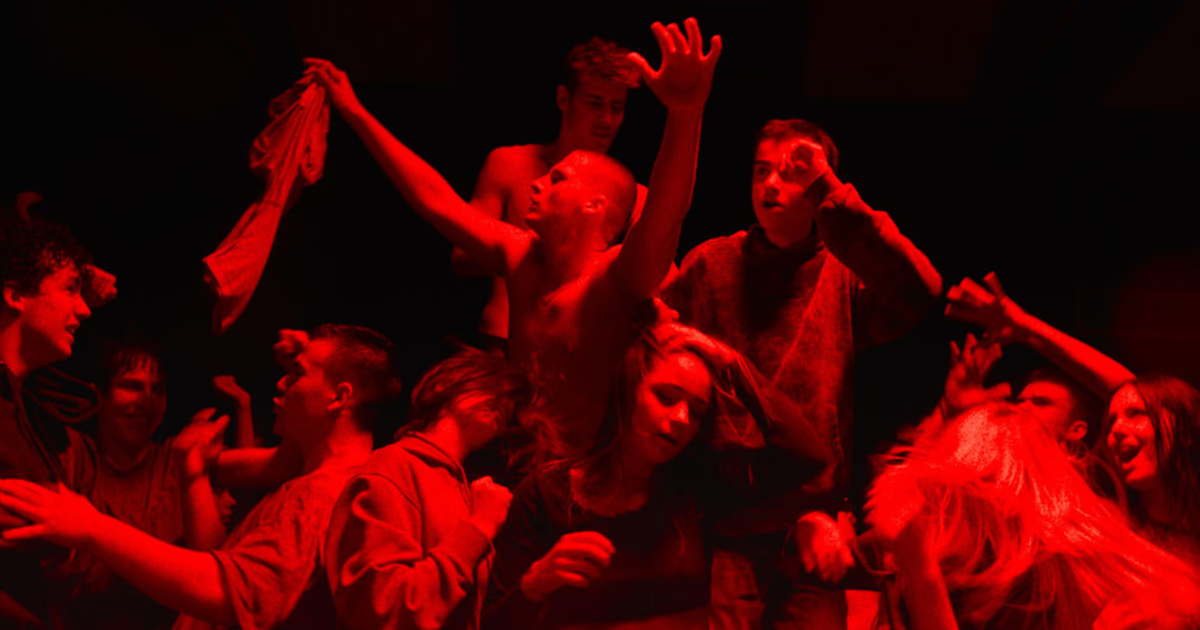
The film’s dance sequences at a queer gym add a layer of expression that contrasts with the narrative’s often blunt dialogue. Early’s ambitious approach to these scenes draws upon the energy of queer culture and supports the insertion of dreamlike elements into the storytelling, serving to elevate the overall tone of the film.
Co-directed with cinematographer Max Lackner, the film’s visual style often mirrors the chaotic beauty of its central character’s life. From long tracking shots to dynamic choreography, “Maddie’s Secret” navigates the audience through Maddie’s emotional turbulence, reinforcing the film’s commitment to deep exploration of themes while maintaining a sense of fun.
A Nuanced Take on Food Culture
Central to the story is Maddie’s job as a food influencer, a role ripe for commentary on the performative nature of food culture today. Early expertly critiques the superficiality that often accompanies influencer culture, as Maddie’s pressures to maintain perfection in both her online persona and private life lead to internal struggles.
The contrasting dynamics of Maddie’s relationships further underscore the pressures inherent within modern food culture. With a supportive yet stifling husband, Jake, Maddie contemplates the unrealistic sacrifices demanded to maintain her idealized image.
Conclusion: A Tapestry of Humor and Heart
Ultimately, “Maddie’s Secret” serves as an inventive blend of humor and poignant storytelling. Early’s ability to tackle serious themes through a comedic lens grants the film a distinctive voice, inviting audiences to reflect on their own experiences while also celebrating the absurdities of modern life.
As Maddie’s journey unfolds, she learns to navigate her complications, and by the film’s end, her newfound sense of self provides a refreshing outlook on life and growth.
To stay updated on this exciting release and explore more engaging content, check out MyAxom Reviews for the latest reviews and news regarding the entertainment industry.
For more information and updates on upcoming shows and movies, visit MyAxom Movies Review. Don’t miss out on the latest trends and news in entertainment on MyAxom Box Office.