The Rise and Fall of Mary Lambert on the Set of Under the Cherry Moon
The production of *Under the Cherry Moon* faced turmoil just weeks into shooting, resulting in the dismissal of director Mary Lambert. Initially taking over from Albert Magnoli, Lambert struggled to align her vision with that of the film’s star and creator, Prince. Reports indicate that her insistence on changing specific production aspects led to a clear disconnect between her and Prince. Notably, costume designer Marie France recounted an instance where Lambert requested a change to a crucial costume just days before filming an important scene, which Prince rejected, ultimately marking Lambert’s exit from the project.
Lambert’s departure was framed by her own words, describing Prince’s clarity of vision as something that left little room for her creative input. “It’s just become quite apparent that Prince has such a strong vision of what this movie should be…,” she remarked, highlighting the struggles faced by directors working under Prince’s unyielding artistic demands. Lisa Coleman, a prominent member of The Revolution, expressed similar sentiments, stating that directors were often caught in a web of expectations from Prince, who would frequently want to take charge, showcasing his hands-on approach to filmmaking.
Prince Takes the Reins: A Director’s Vision
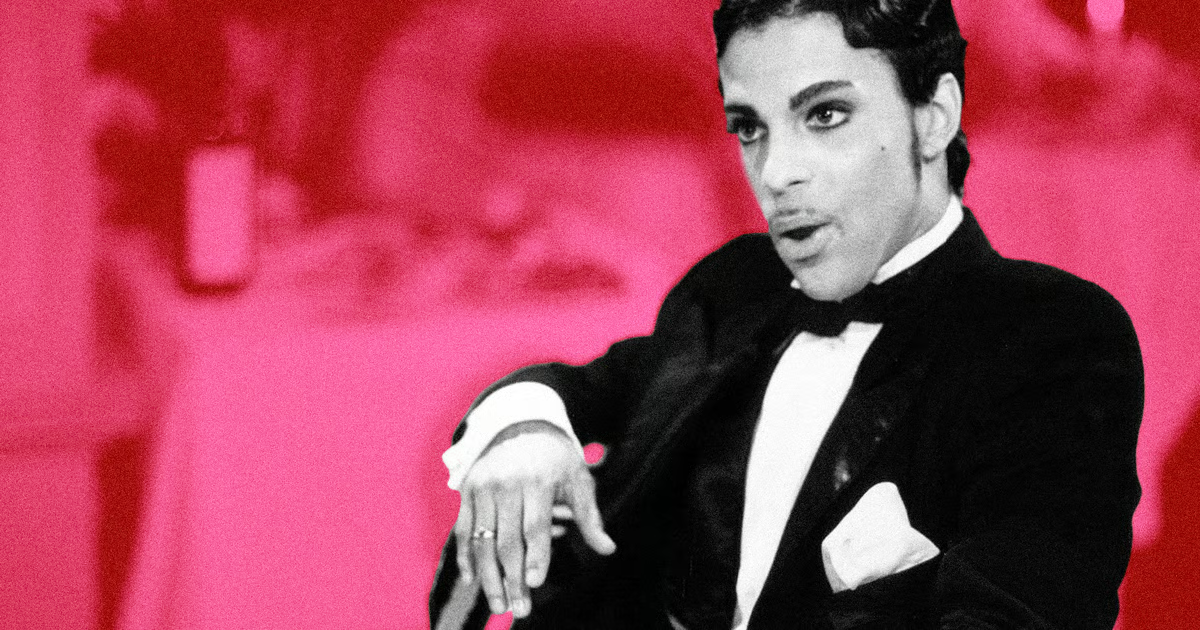
With no director or screenwriter in place as shooting progressed, Prince took it upon himself to assume the directorial role. This decision was met with mixed opinions, seen by some critics as a reckless move fueled by both desperation and artistic ambition. The move angered many in Hollywood and was viewed as a blatant breach of industry rules that typically protect the roles of directors. Yet, for Prince, stepping into the director’s chair was a manifestation of his broader quest to control all aspects of his artistic vision—an endeavor he had been honing long before *Cherry Moon* began production.
While it wasn’t Prince’s first choice to direct the film, his background in overseeing music videos and performances prepared him for this new challenge. Having shadowed others in the industry—especially during the creation of *Purple Rain*—Prince blended his musical experiences with filmmaking, cementing his status as a multifaceted artist capable of bridging cinema and sound.
A Multimedia Experience: The Integration of Music and Film
Once he took control, *Under the Cherry Moon* transformed from a standard film into a multimedia exploration showcasing the intersection of music and cinema. The plot closely intertwined with the song of the same name, forming a narrative thread that revolved around themes of love and loss, mirroring Prince’s own lyrical storytelling. The film’s protagonist, Christopher, embarks on a journey to find love, echoing the sentiments expressed in the ballad “Under the Cherry Moon.” This relationship between the film and the accompanying album, *Parade*, created a richly woven world where sound and vision complemented each other profoundly.
Paces away from the shooting locations, musicians like Coleman and Wendy Melvoin continued their work on *Parade*, contributing to the film’s soundtrack while bringing Prince in on their sessions whenever he could spare the time. This collaborative environment underpinned Prince’s creative process, allowing him to bounce between directing and music production without losing touch with the foundational elements that inspired him. Coleman recalls, “If he was on the set too long, he could get reinspired… playing bass.” This balancing act between roles highlights Prince’s connection to his primary outlet—music—while expanding into the realm of film.
From Disappointment to Celebration: The Film’s Legacy
Despite the initial critical reception of *Under the Cherry Moon* in 1986, recent screenings in Los Angeles have shown that the film garners a cult following. Audiences enthusiastically recite lines and don costumes inspired by the film, demonstrating its evolving legacy. Coleman reflected on how the film allowed Prince to showcase not only his musical genius but also a playful side that resonates with viewers, making *Cherry Moon* arguably more autobiographical than his earlier work *Purple Rain*.
Moreover, the film’s central message—rooted in love and belief—continues to foster connections between Prince and his audience. As we celebrate the 40th anniversary of *Under the Cherry Moon* next month, it becomes an opportunity to appreciate the complexities of Prince’s creative ventures. His boldness to challenge norms in both music and film remains an influential aspect of his lasting legacy.
Conclusion: A Legacy Worth Celebrating
As we remember Prince, who would have turned 68 this year, it’s clear that his unique approach to filmmaking and music continues to inspire. The blend of creativity and defiance captured in *Under the Cherry Moon* serves as a poignant reminder of his artistic vision. Whether embraced or criticized, his contributions to both cinema and music are undeniably significant, offering us joy and insight into the artist’s multifaceted persona. As the anniversary approaches, we can celebrate the artistry and the journey of a man who fearlessly dedicated his life to love and creativity.
For more on reviews of movies and music, visit MyAxom Reviews or check out our detailed insights at MyAxom Movies Review. Keep exploring the world of creativity!