Exploring Grief and Identity in “No Other Choice”
Korean cinema continually captivates audiences with its profound exploration of complex themes, and the latest film, “No Other Choice,” by acclaimed director Park Chan-wook, delves into the intricacies of mourning, identity, and societal pressures. The movie, a black comedy reflecting the realities of an unstable job market, features prominent South Korean actor Lee Byung-hun and offers a poignant commentary on the struggles of modern masculinity.
- Exploring Grief and Identity in “No Other Choice”
- Unpacking the Cultural Significance of Grief
- Plot Overview of “No Other Choice”
- Character Insights: Man-su’s Turmoil
- The Visual Language of “No Other Choice”
- Park Chan-wook: A Shift in Perspective
- The Evolving View of Masculinity
- The Family Dynamic: A Double-Edged Sword
- Conclusion: Reflections on “No Other Choice”
Unpacking the Cultural Significance of Grief
In Korean culture, the traditional practice of 삼년상 (pronounced: sam-nyun-sang) highlights a structured approach to mourning. Historically, it mandated that adult children mourn their deceased parents for three years, embodying a deep-seated societal acknowledgment of grief as a necessary process for honoring familial bonds. This ritualistic understanding of loss reflects how grief is institutionally recognized in Korean society, offering a framework for those who struggle with emotional pain.
Plot Overview of “No Other Choice”
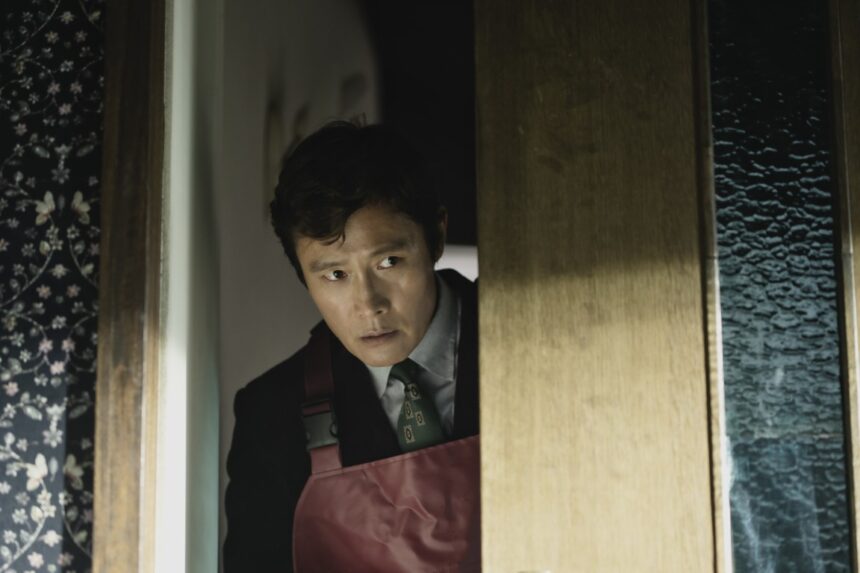
“No Other Choice” follows the story of Man-su, portrayed by Lee Byung-hun, a long-time employee at Solar Paper whose life spirals downward when he is suddenly laid off. Faced with the dual pressure of providing for his family—his wife, Mi-ri, and their two children—he concocts an alarming plan to eliminate his competition for job openings. This darkly comedic narrative unveils the dire impacts of job insecurity and the identity crisis that ensues, leading to a downward spiral of moral choices.
Character Insights: Man-su’s Turmoil
Man-su’s character encapsulates the collision of personal despair and societal expectations. His initial sense of identity, intricately tied to his job, becomes tenuous and deeply troubled following his dismissal. Director Park Chan-wook emphasizes that the film’s tragedy lies in Man-su’s misplaced rage; instead of targeting the oppressive systems that led to his job loss, he directs his aggression toward other job seekers, men who share his plight. This portrayal invites audiences to reflect on the human experience of grief and frustration in the face of societal collapse.
The Visual Language of “No Other Choice”
One of the striking elements in the film is its meticulous use of lighting, which accentuates the characters’ internal struggles. Man-su’s gradual descent into darkness is mirrored by the film’s visual aesthetics, with harsh lighting illuminating his desperation during interviews and softer tones during moments of family intimacy. The careful consideration of light and shadow reinforces the narrative’s emotional weight, creating a palpable atmosphere of impending tragedy.
Park Chan-wook: A Shift in Perspective
Director Park Chan-wook, known for his intense storytelling, aims for a nuanced portrayal in “No Other Choice.” He refrains from portraying anger as purely vindictive; rather, it serves as a catalyst for understanding Man-su’s plight. In interviews, Park articulated the folly embedded in targeting those who are similar, revealing a deeper commentary about community and shared struggles in a tumultuous world. His approach serves as a reflective lens, inviting viewers to empathize and challenge the narratives surrounding modern masculinity and grief.
The Evolving View of Masculinity
Lee Byung-hun’s portrayal of Man-su challenges traditional depictions of masculinity in Korean cinema. As a character deeply rooted in familial responsibilities, Man-su’s evolution throughout the film demonstrates the pressure many modern men face in balancing traditional roles against changing societal expectations. Through this lens, Lee presents a relatable figure whose struggles resonate across cultural boundaries, fostering discussions on the nature of manhood and vulnerability.
The Family Dynamic: A Double-Edged Sword
The film poignantly examines the toxic loyalty within family units, as depicted through Man-su and Mi-ri’s relationship. Despite her subtle complicity in his actions, Mi-ri represents the unconditional support that can inadvertently feed into negative outcomes. Park’s narrative suggests that the connection between family members can be both protective and destructive, further complicating the notion of loyalty within familial structures.
Conclusion: Reflections on “No Other Choice”
“No Other Choice” stands as a multifaceted exploration of grief, identity, and the harsh realities of contemporary life. Park Chan-wook’s meticulously crafted narrative encourages audiences to reflect on their interactions with societal expectations, personal aspirations, and the often-overshadowed emotional toll of financial instability. Lee Byung-hun’s compelling performance, coupled with Park’s insightful direction, creates a rich tapestry of storytelling that is both entertaining and thought-provoking.
To stay updated on this exciting release and explore more engaging content, check out MyAxom Reviews for the latest reviews and news regarding the entertainment industry.
For more information and updates on upcoming shows and movies, visit MyAxom Movies Review. Don’t miss out on the latest trends and news in entertainment on MyAxom Box Office.