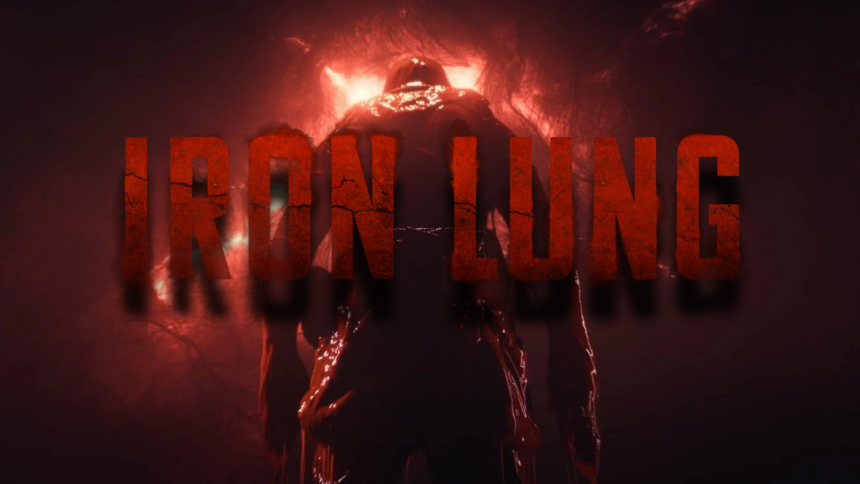
Objective: The landscape of theatrical releases has dramatically shifted in recent years, highlighting changing audience expectations within the entertainment industry. One standout example is the indie box-office sensation Iron Lung, which appears to have set a new benchmark for what viewers desire. Originally launched as a modest project, Iron Lung has emerged as a film that resonates strongly with audiences, outperforming several polished studio productions.
Iron Lung: A Groundbreaking Indie Success
Iron Lung was released on January 30, 2026, and is notable for being a film wholly conceived by Mark Fischbach, better known as Markiplier. This film adapts a horror game created by the indie developer David Szymanski, revolving around a lone prisoner navigating a blood ocean in a submarine named Iron Lung. The journey transforms into an exploration of survival and mystery as the captive uncovers secrets surrounding a catastrophic event known as the Quiet Rapture, revealing that he is not as isolated as he believed.
Unlike traditional marketing campaigns, Fischbach utilized his substantial online presence, boasting over 38 million YouTube subscribers, to generate anticipation and request local theater screenings for Iron Lung. The film not only opened strong but continued to hold its own at the box office, attracting a diverse demographic of viewers.
With a production budget of just $3 million, Iron Lung has already grossed over $18 million in the U.S. and more than $21 million globally during its opening weekend. As of February 9, 2026, the film’s total box office earnings sit at around $36 million—an impressive achievement for a creator-driven independent film.
The Shift in Audience Engagement
Iron Lung‘s success comes at a critical moment when Hollywood is grappling with declining viewership, despite investing heavily in high-budget projects. Traditional studio films often rely on familiar formulas, remakes, or franchises, resulting in diminished enthusiasm among audiences. Many filmgoers are expressing fatigue over these predictable narrative structures and are instead gravitating towards original and unique storytelling.
As the movie industry faces this turning tide, Iron Lung serves as a wake-up call, underscoring the shift towards innovative films that resonate on a personal level. “Films that don’t operate within traditional frameworks are generating more momentum than ever before,” observed industry analysts, reinforcing the idea that Hollywood may be out of step with modern audience expectations.
Global Indie Success Stories
The disconnect within Hollywood has become stark, particularly as both smaller independent and international productions begin to eclipse expectations. For instance, Flow, an animated feature from Latvian director Gints Zilbalodis, achieved remarkable acclaim and financial success using open-source 3D software. Boasting limited dialogue and a modest budget, it garnered an Academy Award and a Golden Globe, raking in over $50 million worldwide.
International films are also finding remarkable success on the global stage. The acclaimed Japanese anime Demon Slayer: Infinity Castle Part 1: Akaza’s Return broke box office records with earnings exceeding $700 million, showcasing the potential for international storytelling to thrive in a landscape often dominated by Hollywood narratives.
Changing Preferences: Spectators Demand More
This emerging trend signals a clear desire from audiences for groundbreaking material that feels both authentic and innovative. The success of independent films like Iron Lung not only demonstrates the allure of unique narratives but also highlights the demand for content that reflects a broader array of human experiences, rather than adhering to established genres.
As viewers increasingly seek out films that challenge convention and operate outside the confines of established franchises, it is evident that we are witnessing a notable transformation in the types of stories that captivate audiences. “Audiences crave originality and bold direction,” said film critics, adding that Iron Lung exemplifies this shift by fully committing to its creative vision.
Conclusion: The Future of Film
The rise of indie and international films is encouraging more viewers to return to theaters, signaling hope for the industry. The ongoing disconnect between Hollywood’s production strategies and audience demands is becoming harder to ignore, as viewers gravitate toward authentic and creative material. With films like Iron Lung paving the way, it’s clear that the film industry must adapt to this evolving landscape or risk becoming increasingly irrelevant.
As audiences develop a newfound appreciation for storytelling that sparks meaningful connections, the prevailing trends suggest a bright future for innovative filmmakers ready to take risks. Iron Lung is merely the beginning of a movement that prioritizes creativity over convention—a shift that is not only welcome but necessary in the ever-changing world of cinema.